/filters:format(jpeg,png)/fit-in/300x300/guide_websites/133058/images/1781756004749rivervalley.jpg)
/filters:format(jpeg,png)/fit-in/237x80/guide_websites/133058/images/1781756004749rivervalley.jpg)
Catch Chain Pickerel in Lantz Nova Scotia
Chain Pickerel Fishing in Nova Scotia - What to Expect
%2F%2Fusers%2F5631268d-c213-4d5d-99a1-f6909182dc82%2Fimages%2Fchain-pickerel-fishing-catch-2658.jpg&w=1920&q=75)
Guided Fishing Activity Trip by Guide Alan Stortts in June

- Nova Scotia Fishing Charters & Outdoor Wellness


Summary
Join a guided fishing activity trip in Nova Scotia this June and hook into aggressive chain pickerel on the water. Alan Stortts brings local expertise and exciting action to every cast, delivering the fast-paced fishing experience you're looking for.
Fishing with Alan Stortts - Rates & Booking
Guide Alan Stortts of River Valley Guide Company delivers explosive chain pickerel action on Wednesday, June 17. This guided fishing activity trip puts you in position for fast strikes and hard-fighting fish that keep your heart racing from first light through the session. Contact River Valley Guide Company to lock in your spot and get full details on inclusions, group size, and availability.
Highlights of Your Guided Fishing Trip
Chain pickerel are aggressive hunters that hit hard and run harder. Every cast carries the potential for a powerful strike, making each moment intense. You'll experience the thrill of landing a quality fish on the rod and lure, with Alan guiding you through proven techniques and productive zones.
Nova Scotia's waters deliver consistent action. The combination of local knowledge, proper gear, and experienced guidance stacks the odds in your favor. You're not just fishing - you're hunting an opponent that fights with determination.
Local Species Insights: Chain Pickerel
Chain pickerel are ambush predators that patrol shallow to mid-depth waters, lurking near weed beds, fallen timber, and current breaks. They're opportunistic strikers that respond aggressively to artificial lures. Their elongated body and powerful jaws make them built for speed and explosive acceleration.
These fish thrive in Nova Scotia's freshwater systems. They feed actively throughout the season, particularly during low-light conditions and transitional periods. Pickerel fishing demands attentiveness - they strike fast and you need quick reflexes to set the hook. The fight is signature pickerel - head shakes, powerful runs, and aerial displays that test your tackle and skill.
Alan Stortts knows where pickerel congregate and what presentations trigger strikes. Lure selection, casting accuracy, and positioning all matter. You'll learn productive techniques while experiencing the rush of active hunting on the water. Nova Scotia offers prime conditions for this species, and a guided trip puts you in the best zones with someone who understands local patterns and seasonal behavior.
Fishing Activity in Nova Scotia: Chain Pickerel
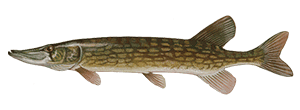
Chain Pickerel Overview
The Chain Pickerel (Esox Niger) is a freshwater fish belonging to the family Esocidae and order Esociformes, commonly known as the Pike family or "Water Wolves." These feisty predators earn their nickname from a distinctive chain-like pattern of spots that runs along their sleek, torpedo-shaped bodies. Unlike their larger cousins the Muskellunge and Northern Pike, Chain Pickerels are compact but mighty hunters with fully-scaled cheeks and a mouth packed with razor-sharp teeth arranged in three strips along their vomer. Found across the eastern United States from South Canada down to Florida and westward to Texas, these fish are particularly popular with anglers in the Mississippi Valley and around Lake Michigan. What makes the Chain Pickerel truly special is their aggressive personality—they're known for launching themselves out of the water to snatch insects and small prey, making every encounter an exciting adventure for fishermen and nature observers alike.
Chain Pickerels have earned a reputation as fierce, opportunistic hunters that will attack almost anything within their line of sight. Their bodies are perfectly designed for ambush hunting in weedy waters, and their attitude gets noticeably more aggressive as they mature. Whether you're a seasoned angler or a curious outdoor enthusiast, understanding this species will enhance your appreciation for freshwater ecosystems and improve your chances of a memorable encounter.
Chain Pickerel Habitat and Distribution
Chain Pickerels thrive throughout the eastern coastal regions of North America, ranging from South Canada all the way down to Florida, and extending westward into parts of Texas. These fish show a strong preference for vegetative lakes, swamps, slow-moving rivers, and quiet pools where they can hide among aquatic plants and launch surprise attacks on unsuspecting prey. They favor warm waters that aren't constantly disturbed by tidal action, and remarkably, they can tolerate acidic conditions—some populations thrive in waters with pH levels as low as 3.8. The Mississippi Valley serves as a hotspot where anglers frequently encounter healthy populations, while Lake Michigan also hosts robust numbers of this species. In northern regions of the Great Lakes, they're considered an invasive species, but throughout their native range, they remain an integral part of the freshwater ecosystem. Whether you're fishing a small pond, a meandering river, or a large lake, look for Chain Pickerels lurking in weedy areas and around submerged structures where they can ambush passing prey.
Chain Pickerel Size and Weight
Most Chain Pickerels caught by anglers fall in the moderate size range, with typical specimens measuring between 14 and 24 inches in length and weighing between 3 and 5 pounds. While these dimensions make them significantly smaller than Muskellunge or large Northern Pike, don't let their compact size fool you—pound for pound, they fight with surprising intensity. In rare circumstances, particularly in pristine lake ecosystems with abundant forage, specimens can reach impressive lengths of up to 39 inches, though these trophy-sized individuals are uncommon. The average full-grown Chain Pickerel typically reaches around 24 inches and weighs approximately 3 pounds, making them an accessible target for anglers of all skill levels while still delivering the thrilling fight that the Pike family is famous for.
Chain Pickerel Diet and Behavior
Chain Pickerels are textbook ambush predators whose dietary preferences and hunting behavior change dramatically as they mature. Young Chain Pickerels are content settling for smaller fish and aquatic invertebrates, but as they grow older, their confidence and appetite expand considerably. Adult Chain Pickerels become notoriously aggressive and will consume mice, frogs, crayfish, small waterfowl, and virtually any creature unfortunate enough to venture within striking distance. Their highly specialized teeth arrangement—three strips of teeth on their vomer—allows them to grip prey with devastating efficiency, often inflicting grave wounds that ensure successful capture. What truly sets Chain Pickerels apart is their "Water Wolf" mentality: they're prone to attacking anything that moves within their visual field, and they famously leap clear out of the water to snatch insects and small prey from the air or surface. This opportunistic hunting style makes them exciting to observe but also means anglers must exercise caution around these toothy predators. Their bodies are specifically engineered for life in vegetated waters, allowing them to accelerate rapidly and turn sharply when pursuing prey through dense aquatic plants.
Chain Pickerel Spawning or Seasonal Activity
Chain Pickerels are most active during warmer months when water temperatures rise and their metabolism increases accordingly. Their breeding season typically occurs in spring when water temperatures warm sufficiently to trigger spawning instincts. During pre-spawn and spawn periods, females move into shallow vegetated areas where they lay eggs over aquatic vegetation. Males aggressively defend territories during this time, making spring an excellent period for anglers seeking active, aggressive fish. As water temperatures peak in summer, Chain Pickerels tend to seek deeper, cooler refuges in lakes, though they remain active hunters throughout the season. Fall brings renewed aggression as fish prepare for winter, and cooler water temperatures often trigger feeding binges. Winter fishing can be productive in southern portions of their range where waters don't freeze solid, but in northern areas, activity slows considerably once water temperatures drop significantly.
Chain Pickerel Techniques for Observation or Capture
Live Bait and Topwater Lures: Chain Pickerels respond aggressively to live minnows and small fish, making them an excellent choice for anglers seeking reliable results. Cast live bait near weed beds, submerged logs, or other structure where these ambush predators hide. Topwater lures that create surface disturbance also trigger strikes, as Chain Pickerels instinctively attack anything that resembles injured prey. Use a steel leader or 12-17 pound test line to prevent bite-offs from their razor-sharp teeth. Around the Mississippi Valley region, early morning and late evening sessions near vegetated shorelines often yield the best results.
The Figure-8 Technique: This specialized approach involves casting spinnerbaits, plugs, or crankbaits near likely holding areas, then performing light curves and turns as you retrieve—alternating between bringing the lure close to the boat and drawing it away. This erratic movement mimics injured forage fish and triggers aggressive feeding responses from Chain Pickerels. The technique requires focus and finesse but consistently produces strikes when executed properly.
Fly Fishing and Jig Techniques: Experienced anglers report success using large, flashy flies and small jigs that resemble natural prey. Bass fishing techniques also work well for Chain Pickerels—jerking baits to create the appearance of injured prey often provokes violent strikes. Cast near vegetation in ponds and swamps where water remains relatively undisturbed, and work your offering with steady, deliberate movements. In areas like Michigan's lake systems, these techniques during mid-morning hours often coincide with active feeding periods.
Chain Pickerel Culinary or Utilization Notes
Chain Pickerels are technically edible and have been consumed for generations throughout their native range. However, potential diners should be aware that these fish have a bone structure similar to milkfish, containing numerous small bones throughout the flesh. Unless you're skilled at carefully flaking the meat away from bones or have access to boneless processing, Chain Pickerels are not recommended for children or those with limited fish-preparation experience. For anglers willing to invest the effort, the white flesh has a mild flavor that some find acceptable, though the high bone content deters many modern cooks. Most recreational anglers today practice catch-and-release with Chain Pickerels, valuing them primarily for the sporting experience rather than food value. Their ecological importance as apex predators in freshwater systems makes their preservation and management essential for maintaining healthy aquatic communities.
Chain Pickerel Frequently Asked Questions
Q: What is the best bait or lure for catching Chain Pickerel?
A: Live minnows are highly effective, but Chain Pickerels also respond enthusiastically to spinnerbaits, topwater lures, plugs, and flies. Flashy baits that resemble forage fish trigger aggressive strikes. The Figure-8 retrieval technique—making light curves and turns with your lure—significantly increases your chances of success. Steel leaders are recommended due to their sharp teeth.
Q: Where can I find Chain Pickerel near major fishing destinations?
A: Chain Pickerels are abundant throughout the Mississippi Valley and Lake Michigan region. Look for them in vegetated lakes, swamps, slow-moving rivers, and quiet pools. They prefer areas with minimal tidal disturbance and even tolerate acidic waters. Early morning and late evening near weed beds and submerged structures offer your best opportunities for encounters.
Q: Are Chain Pickerels good to eat?
A: While technically edible, Chain Pickerels contain numerous small bones throughout their flesh, making them challenging to prepare. Unless you're experienced at careful bone removal or have access to professional boneless processing, they're not recommended for most diners. Most modern anglers practice catch-and-release, valuing them primarily for sport fishing.
Q: When is the best time to catch Chain Pickerel?
A: Spring spawning season and fall pre-winter feeding periods typically offer the most aggressive strikes. Summer remains productive, though fish may seek deeper, cooler refuges during peak heat. Early morning and late evening sessions throughout the warm-water season generally outperform midday fishing.
Q: How do Chain Pickerels compare to Northern Pike and Muskellunge?
A: Chain Pickerels are significantly smaller than both species, rarely exceeding 24-30 inches compared to pike and muskie that commonly grow much larger. However, they're more aggressive biters and more accessible to average anglers. Chain Pickerels have fully-scaled cheeks and a distinctive chain-pattern, distinguishing them from their larger pike-family relatives.
Q: Why are Chain Pickerels called "Water Wolves"?
A: This nickname reflects their fierce, opportunistic hunting style and willingness to attack almost anything within their visual range. Chain Pickerels are known for launching themselves out of the water to snatch insects and small prey, and their pack-like aggressive behavior in certain water systems earned them this predatory reputation among anglers and naturalists.