/filters:format(jpeg,png)/fit-in/300x300/guide_websites/133058/images/1781756004749rivervalley.jpg)
/filters:format(jpeg,png)/fit-in/237x80/guide_websites/133058/images/1781756004749rivervalley.jpg)
Bay of Fundy Striped Bass Migration Explained
%2Ffit-in%2F1000x1000%2Ffilters%3Aformat(webp)%2Fguide_websites%2F133058%2Fimages%2F1781754000085canada-fly-in-fishing-alternative-backcountry7.jpg&w=1920&q=75)
Published: September 25, 2026
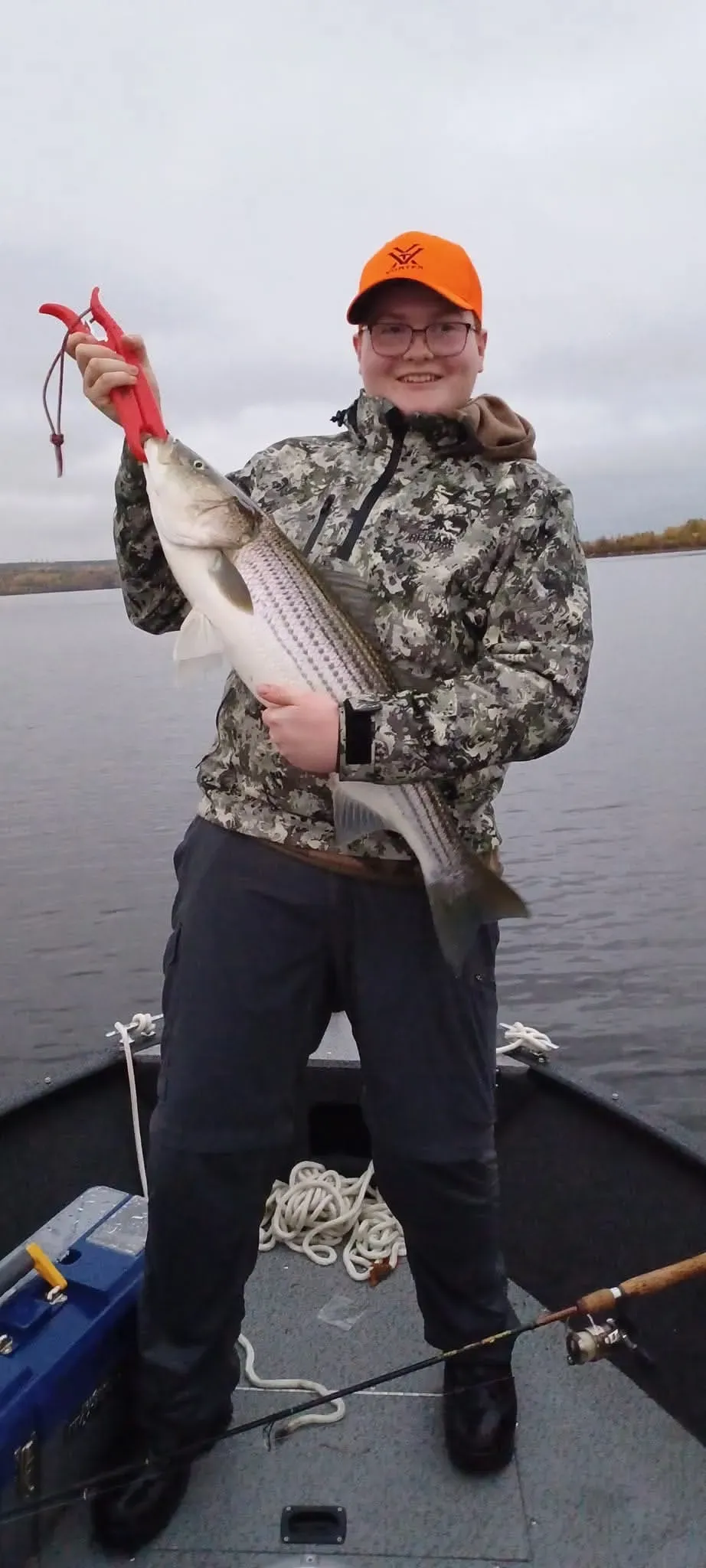
The striped bass migration through the Bay of Fundy is a seasonal movement shaped by changing water temperatures, food availability, tides, and spawning behavior. As conditions shift, striped bass move between coastal waters, estuaries, rivers, and feeding areas in search of suitable habitat and abundant prey.
Understanding this movement can help anglers make better decisions about when and where to fish. The Bay of Fundy's powerful tides add another layer to the pattern, influencing currents, bait movement, and feeding opportunities. For anyone interested in striped bass fishing Nova Scotia, knowing how these factors work together provides a clearer picture of the fishery and the seasonal opportunities available across the region.
Why Striped Bass Migrate Through the Bay of Fundy
Striped bass do not move through the Bay of Fundy randomly. Their seasonal movements are connected to biological needs and changing environmental conditions. As the year progresses, different factors can influence where the fish travel, feed, and gather.
- Water Temperature: Seasonal temperature changes influence striped bass activity and movement. As water warms in spring, fish become more active and move toward areas that provide suitable conditions and access to food.
- Food Availability: Striped bass follow productive feeding opportunities. When baitfish and other prey become concentrated in particular areas, striped bass may move toward those locations to take advantage of the available food.
- Spawning Behavior: Reproduction plays an important role in seasonal movement. Striped bass travel toward suitable spawning environments before shifting into feeding areas as the season progresses.
- Seasonal Conditions: Daylight, tides, currents, weather, and changing water conditions all contribute to migration patterns. These factors can influence both the timing and location of striped bass movement.
When Does the Bay of Fundy Striped Bass Migration Happen?
The migration follows a seasonal pattern, but the exact timing can vary with water temperature, weather, food availability, and local conditions. Understanding what generally happens during each part of the year gives anglers a useful starting point.
Spring Arrival
As water temperatures begin rising, striped bass become increasingly active and seasonal movement begins. Fish may move into coastal and estuarine areas where warming water and increasing prey provide favorable feeding and spawning conditions.
Summer Movement
Summer can bring strong striped bass activity as warmer water supports increased feeding. Fish may spread across productive coastal areas, following bait and using tidal currents to move between feeding grounds.
Fall Movement
As temperatures begin falling, striped bass continue feeding while preparing for colder conditions. Their location can change as they respond to water temperature, bait availability, and shifting currents throughout the season.
Winter
Colder water changes striped bass behavior and reduces activity compared with warmer months. Fish move toward areas that provide more suitable conditions, making winter patterns different from the active seasonal movement seen during spring, summer, and fall.
Where Striped Bass Concentrate During Migration
Striped bass can use different habitats as they move through the Bay of Fundy. Their location often depends on tide, depth, current, food availability, and water conditions. Knowing what each environment offers can help anglers understand why fish gather there.
Estuaries
Estuaries bring together freshwater and saltwater, creating productive environments where bait and predators can gather. These areas can become important during seasonal movement because striped bass can find food while using changing salinity and current conditions to their advantage.
Tidal Flats
Tidal flats can become productive feeding areas as changing water levels expose different sections of the bottom. Striped bass may move onto these shallow areas when the tide provides access to available prey before retreating as conditions change.
River Mouths
River mouths create areas where flowing freshwater meets coastal water, often producing current and attracting bait. During migration, striped bass may use these transitional zones for feeding or as pathways between different parts of their seasonal range.
Beaches and Coastal Edges
Coastal shorelines can provide access to baitfish and moving water, particularly when tides create feeding opportunities. Striped bass may travel close to shore when conditions concentrate prey along beaches, points, and other coastal edges.
Deeper Channels
Deeper channels provide changes in depth that can become useful when striped bass adjust their position around tides, temperature, and current. Fish may use these areas as travel routes or hold nearby when conditions make shallow water less favorable.
How the Bay of Fundy's Tides Affect Striped Bass Migration
The Bay of Fundy's dramatic tidal range makes water movement an important part of striped bass behavior. Tides can change current speed, expose or cover feeding areas, and move bait between shallow and deeper habitats.
- Incoming Tide: Rising water can carry bait toward shallow flats, shorelines, and estuaries. Striped bass may move with the incoming flow when feeding opportunities increase closer to shore.
- Outgoing Tide: Falling water can push bait out of shallow areas and concentrate prey along channels, current lines, and river mouths, creating opportunities for striped bass to feed.
- Tidal Current: Strong current does not always mean fish will sit directly in the fastest water. Striped bass may position behind structure, depth changes, or other current breaks where they can conserve energy while waiting for prey.
- Tidal Timing: A location that produces fish during one stage of the tide may be much less productive during another. Understanding the relationship between the tide and local habitat can therefore be more useful than relying on a location alone.
What Striped Bass Are Feeding on During Migration
Food availability is one of the key factors behind seasonal fish movement. Striped bass need reliable sources of prey as they travel, so areas holding bait and other food can become important stops during their migration.
Baitfish
Small schooling fish can attract striped bass into coastal and estuarine waters. When bait becomes concentrated by tides, currents, temperature, or habitat, predators may follow and remain nearby while feeding activity is strong.
Invertebrates
Crustaceans and other invertebrates can also contribute to the striped bass diet, particularly in shallow coastal environments. Areas with productive bottom habitat may provide feeding opportunities when baitfish are less concentrated.
Seasonal Food Sources
The available food changes throughout the year, which can influence where striped bass spend time. As different prey species become more or less abundant, fish may adjust their movement and feeding locations accordingly.
How Water Temperature Changes Striped Bass Behavior
Water temperature can influence how active striped bass are and where they spend time during seasonal movement. As conditions shift throughout the year, fish adjust their feeding activity, movement, and preferred habitat.
- Cold Spring Water: Early-season water can keep striped bass less active as temperatures gradually rise. Fish may favor suitable areas while waiting for warmer water and increasing food activity.
- Warming Summer Water: Rising temperatures can increase activity and spread striped bass across productive feeding areas. Greater bait availability can create opportunities around estuaries, shorelines, tidal flats, and coastal waters.
- Cooling Fall Water: Falling temperatures signal another seasonal shift. Striped bass may change feeding patterns and move toward areas offering suitable conditions as bait availability and currents continue to change.
Best Time to Fish the Bay of Fundy for Striped Bass
The best opportunity for striped bass fishing depends on more than the calendar. Seasonal migration, water temperature, tidal movement, bait activity, and weather can all influence how productive a particular day may be.
Best Season
The warmer months generally provide the strongest opportunity to encounter actively migrating and feeding striped bass. Spring movement can build as conditions improve, while summer and early fall can offer continued activity before colder water changes the pattern.
Best Part of the Day
Morning and evening can provide favorable fishing conditions, but the most productive period depends on the tide, weather, light levels, and current bait activity. A strong feeding window can occur at different times depending on local conditions.
Best Tide Stage
There is no single tide stage that works everywhere. Incoming and outgoing tides can both create opportunities by moving bait and water. The best stage often depends on the specific habitat and how fish use the current.
Best Conditions
Moderate weather, active bait, productive current, and suitable water temperatures can create better opportunities. Anglers should also consider wind and wave conditions, particularly when fishing exposed coastal areas of the Bay of Fundy.
How to Read a Striped Bass Migration Pattern
Understanding migration becomes easier when anglers pay attention to what is happening around them instead of relying entirely on a fixed seasonal schedule. Several natural indicators can provide clues about where striped bass may be feeding or moving.
- Watch Water Temperature: Track seasonal changes and note how fish activity responds as the water warms or cools.
- Follow the Bait: Concentrations of baitfish can reveal areas where striped bass may be actively feeding.
- Read the Tide: Pay attention to current direction and areas where moving water creates feeding opportunities.
- Look for Surface Activity: Birds, bait schools, splashing fish, and other visible activity can indicate feeding predators nearby.
- Track Recent Reports: Local fishing reports can provide useful information about recent catches, water conditions, and seasonal activity before heading out.
Where Anglers Can Experience Striped Bass Fishing in Nova Scotia
Nova Scotia offers a mix of coastal, estuarine, and river environments where striped bass can be encountered during their seasonal movements. Choosing the right setting depends on the time of year, water conditions, tidal activity, and the type of fishing experience you want.
Bay of Fundy
The Bay of Fundy is central to the seasonal striped bass story because its dramatic tides, coastal habitats, and changing conditions create a dynamic environment for migrating fish. Anglers can experience different patterns as striped bass move through the region during warmer months.
Nova Scotia Coastal Waters
Coastal waters around Nova Scotia provide access to beaches, shorelines, tidal areas, and nearshore habitat used by striped bass. These environments can change quickly with wind, tides, and bait movement, making local conditions important when planning a fishing trip.
Rivers and Estuaries
Rivers and estuaries provide transitional habitat where freshwater meets saltwater. Their current depth changes, and food availability can make them important areas during seasonal movement. Anglers exploring these waters should pay attention to tide stages and recent fish activity.
For visitors considering Nova Scotia fishing guides, local knowledge can be especially useful when conditions change quickly across coastal and tidal environments.
Guided Striped Bass Fishing With River Valley Guide
River Valley Guide offers anglers an opportunity to experience Atlantic Canada fishing with local guidance and an understanding of the region's changing waters. A guided trip can help visitors make sense of seasonal striped bass movement, tidal conditions, productive habitats, and the factors that influence where fish are likely to feed.
For anglers unfamiliar with the Bay of Fundy, local knowledge can be particularly useful. Tides, weather, water temperature, and bait activity can change the fishing picture quickly, so having someone familiar with the area can make the experience more informative. Whether you are planning one of your Canada fishing trips or specifically interested in the seasonal striped bass fishery, River Valley Guide provides a guided way to experience the region's coastal waters.
Conclusion
The Bay of Fundy striped bass migration is shaped by several connected factors, including water temperature, food availability, tides, currents, and seasonal behavior. Understanding these patterns gives anglers a better idea of why fish move between coastal waters, estuaries, rivers, and feeding areas throughout the year. The Bay's powerful tides make each fishing day different, adding another layer to the experience. If you want to experience this seasonal fishery firsthand, let River Valley Guide take you closer to the striped bass action and the unique waters of the Bay of Fundy.
FAQs
1. When do striped bass migrate through the Bay of Fundy?
Striped bass generally become more active in the Bay of Fundy during the warmer months as water temperatures rise and food becomes more available.
2. Why do striped bass migrate through the Bay of Fundy?
Migration is influenced by spawning needs, water temperature, food availability, tides, currents, and changing seasonal conditions.
3. Where do striped bass go during their migration?
Striped bass can move between coastal waters, estuaries, tidal flats, river mouths, beaches, and deeper channels depending on conditions and food availability.
4. What triggers striped bass migration in Nova Scotia?
Rising or falling water temperatures, changes in food availability, spawning behavior, tides, and seasonal environmental conditions can all influence striped bass movement.
5. What do striped bass eat during migration?
Striped bass feed on available prey such as baitfish, crustaceans, and other seasonal food sources found throughout coastal and estuarine environments.
6. How do Bay of Fundy tides affect striped bass?
The Bay's powerful tides move water and bait between shallow and deeper areas. Striped bass can use these currents to access feeding opportunities while positioning around areas of reduced current.
7. What is the best time to fish for striped bass in Nova Scotia?
The warmer months generally provide better opportunities as striped bass become more active and seasonal food sources become available, although exact timing varies with local conditions.
8. Can you catch striped bass in the Bay of Fundy?
Yes, striped bass can be encountered in the Bay of Fundy during their seasonal movements. Fishing opportunities depend on location, timing, regulations, and current conditions.
9. Where are striped bass commonly found in Nova Scotia?
Depending on the season, striped bass may be found around coastal waters, estuaries, river mouths, tidal flats, beaches, and channels.
10. Are guided striped bass fishing trips available in the Bay of Fundy?
Guided fishing opportunities are available in the region, allowing anglers to explore local waters with someone familiar with seasonal fish movement, tides, and changing coastal conditions.