/filters:format(jpeg,png)/fit-in/300x300/guide_websites/133058/images/1781756004749rivervalley.jpg)
/filters:format(jpeg,png)/fit-in/237x80/guide_websites/133058/images/1781756004749rivervalley.jpg)
Best Time for Striped Bass Fishing in Nova Scotia
%2Ffit-in%2F1000x1000%2Ffilters%3Aformat(webp)%2Fguide_websites%2F133058%2Fimages%2F1781754000085canada-fly-in-fishing-alternative-backcountry7.jpg&w=1920&q=75)
Published: September 25, 2026
Knowing the best time for striped bass fishing in Nova Scotia can make a major difference when planning a trip. Striped bass follow seasonal patterns, so the fishing opportunities change as the year progresses. Some periods offer stronger activity, while others can be more dependent on local conditions and timing.
The warm-water months generally provide the most consistent opportunities, but choosing the right month is only part of the equation. The time of day, tide stage, and specific fishing area can also affect your experience. For anglers planning Nova Scotia fishing trips, understanding these timing differences makes it easier to choose a date that fits both the season and the type of fishing they want to experience.
When Is the Best Time for Striped Bass Fishing in Nova Scotia?
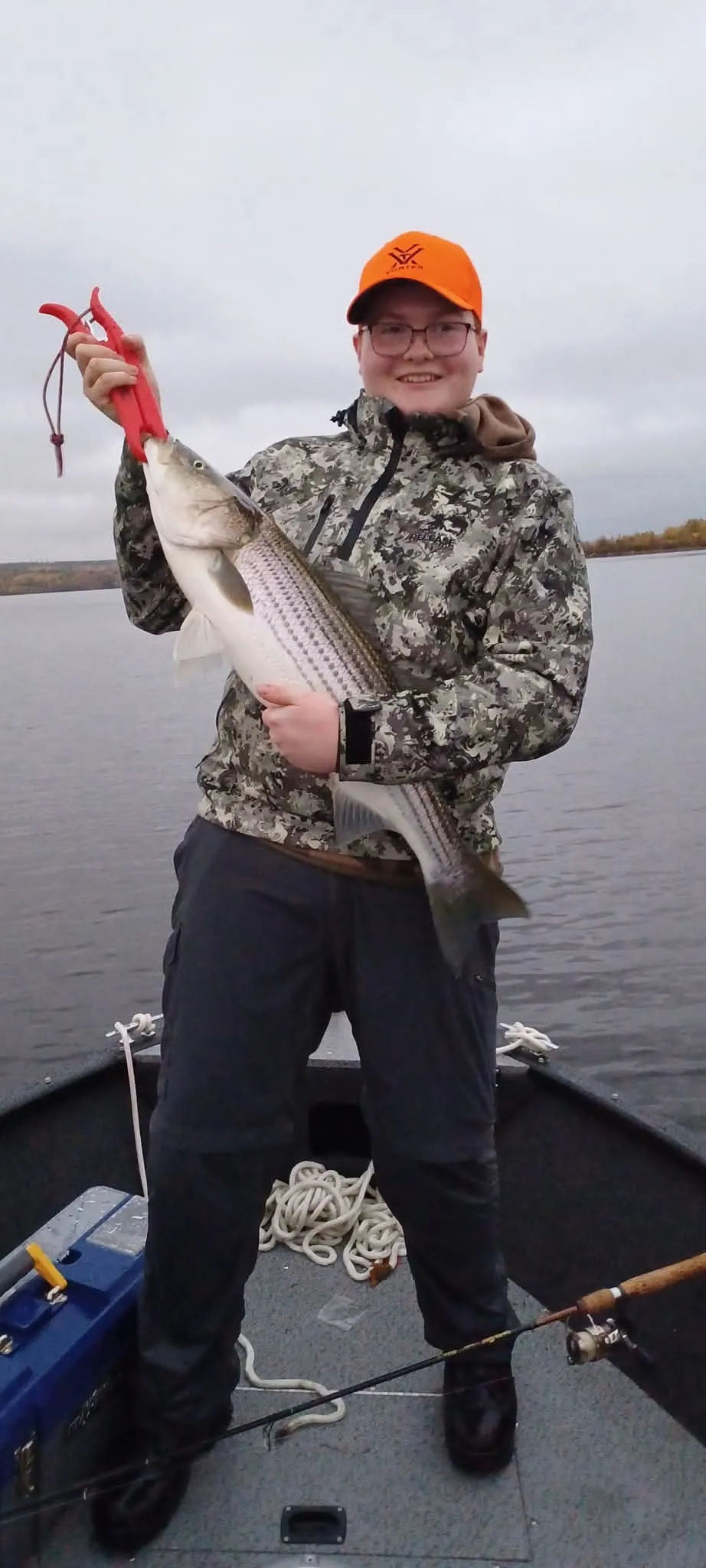
The strongest overall period for striped bass fishing in Nova Scotia is generally during the warmer months, when seasonal activity and feeding opportunities increase. Spring marks the beginning of the active period, summer typically offers strong opportunities, and early fall can still provide productive fishing before conditions change.
- Best Overall Season: Late spring through summer generally offers the most favorable window for targeting striped bass.
- Strongest Months: June through August are often the most appealing months for anglers planning a dedicated striped bass trip.
- Early Season: May can provide opportunities as seasonal activity increases, although conditions may be less consistent.
- Late Season: September can still produce good fishing, but changing conditions make timing more important.
The exact fishing window can vary by location and year, so historical patterns should be used as a starting point rather than a guarantee.
Month-by-Month Striped Bass Fishing Calendar
Striped bass fishing in Nova Scotia changes considerably throughout the year. The first part of the calendar is generally less relevant for dedicated striped bass trips, while the warmer months bring the strongest opportunities. Here is what anglers can expect as the season progresses.
January
Striped bass fishing is generally not a priority in January because winter conditions limit active fishing opportunities. Cold water and shorter days make this a poor choice for planning a dedicated trip.
- Fishing focus: Consider other cold-season fisheries available in Nova Scotia.
- Trip planning: Use this period to prepare equipment and plan for the upcoming season.
February
February remains part of the winter period, with conditions generally unsuitable for targeting active striped bass. Anglers planning specifically around this species will typically want to look ahead to the warmer months.
- Water conditions: Cold temperatures continue to limit striped bass activity.
- Better option: Start researching late-spring and summer fishing dates.
March
March marks the beginning of the transition toward spring, but striped bass fishing opportunities can still be limited. Increasing daylight does not necessarily mean the water has reached productive conditions.
- Seasonal change: Monitor warming trends rather than relying only on the calendar.
- Preparation: Check local regulations and prepare tackle for the coming season.
April
April brings gradual seasonal change, but it is still early for consistent striped bass opportunities. Anglers should expect conditions to vary and avoid assuming that warmer air means the fishing season has fully developed.
- What to watch: Look for sustained changes in water conditions.
- Trip approach: Treat April as an early-season opportunity rather than the main fishing window.
May
May is when striped bass fishing becomes increasingly relevant as seasonal activity develops. Anglers looking for an earlier opportunity can consider this month, particularly when local conditions are favorable.
- Fishing strategy: Focus on areas showing signs of increasing fish activity.
- Planning advantage: May can offer an earlier-season alternative to the busier summer period.
June
June is a strong month for targeting striped bass as the seasonal fishing period becomes well established. Conditions are generally more favorable for anglers planning a dedicated trip.
- Why choose June: It offers a good balance between early-season movement and established summer activity.
- Trip planning: A useful month for visitors building a Nova Scotia fishing trip around striped bass.
July
July sits firmly within the prime summer fishing period. Striped bass activity can provide strong opportunities, making this a popular choice for anglers planning their trip around the species.
- Daylight: Long summer days provide more flexibility when planning fishing time.
- Best use: A strong choice for anglers prioritizing striped bass during a summer fishing vacation.
August
August continues the strong summer period, giving anglers another dependable window for planning a striped bass-focused trip. Local conditions still determine how productive individual days will be.
- Fishing opportunity: Suitable for anglers seeking a dedicated summer trip.
- Trip flexibility: Good month for combining striped bass fishing with other Nova Scotia fishing trips.
September
September can continue to offer worthwhile striped bass fishing as the season begins transitioning toward fall. The fishing picture can change more quickly as conditions begin cooling.
- What changes: Seasonal conditions become less predictable than during peak summer.
- Planning tip: Check recent local conditions closer to your fishing date.
October
October brings a clearer shift toward cooler conditions, making striped bass fishing less consistent than during the summer. It can still interest anglers who are already visiting Nova Scotia during the fall.
- Main consideration: Monitor current conditions rather than relying on summer patterns.
- Trip choice: Better suited to flexible anglers than those seeking the most dependable striped bass window.
November
November is generally outside the strongest period for dedicated striped bass fishing. Cooler conditions reduce the appeal of planning a trip specifically around this species.
- Fishing priority: Other seasonal fishing opportunities may be more appropriate.
- Future planning: Begin looking ahead to the following year's warmer-season window.
December
December falls firmly within the cold-weather portion of the calendar. It is not typically a month to choose when striped bass is the primary goal of a Nova Scotia fishing trip.
- Seasonal reality: Cold conditions make dedicated striped bass fishing less practical.
- Best use of time: Plan equipment, research locations, and choose dates for the next active season.
Best Time of Day for Striped Bass Fishing
The best part of the day can vary by location, tide, weather, and fish activity. Instead of treating one clock time as universally best, anglers should consider how light and daily conditions affect the water.
Early Morning
Morning can offer comfortable fishing conditions and lower light, especially during the warmer part of the season. It can also provide a quieter start before recreational activity increases around popular coastal areas.
- Light conditions: Lower light can make shallow areas more appealing to feeding fish.
- Fishing comfort: Cooler morning temperatures can be more comfortable during summer trips.
- Planning tip: Check the tide before choosing an early launch time.
Midday
Midday is not automatically a poor choice for striped bass. Depending on the tide and location, fish can remain active even when the sun is higher and temperatures are warmer.
- Tide matters: Productive current can create opportunities regardless of the time on the clock.
- Visibility: Brighter conditions can make water structure and surface activity easier to observe.
- Best for: Anglers whose trip schedule does not allow early or evening fishing.
Evening
Evening can provide another productive window as daylight begins to fade. Lower light may encourage fish to move into shallower areas, particularly when other conditions are favorable.
- Lower activity around shore: Reduced recreational traffic can make some areas quieter.
- Feeding opportunity: Diminishing light can coincide with increased predator activity.
- Trip consideration: Plan enough time to return safely before visibility becomes limited.
Night Fishing
Night fishing requires more preparation and should be considered based on local regulations, conditions, equipment, and experience. Reduced visibility makes navigation and handling equipment more demanding.
- Safety first: Proper lighting and navigation equipment are essential.
- Location choice: Familiar waters are preferable when visibility is limited.
- Planning: Confirm local rules before planning a nighttime outing.
How Tide Timing Can Improve a Striped Bass Trip
Tides are especially important in Nova Scotia's coastal waters because moving water can change feeding areas throughout the day. The goal is not simply to choose a particular tide, but to understand how water movement interacts with the location being fished.
- Incoming Tide: Rising water can push bait toward shallow flats, shorelines, and other feeding areas. Striped bass may move with the advancing water when prey becomes easier to access.
- Outgoing Tide: Falling water can move bait away from shallow areas and toward channels, drop-offs, and current lines. These transition points can become useful areas to watch during the outgoing phase.
- Slack Tide: When tidal movement slows, the current becomes less pronounced. Fish behavior can change during this period, so anglers may need to look for other signs of activity rather than relying on strong water movement.
- Strong Current: Fast-moving water can create feeding opportunities, but striped bass may position along the edges of the current rather than directly in its strongest flow. Structure and depth changes can provide useful holding areas.
For anglers planning Bay of Fundy fishing, checking the tide chart alongside the planned fishing location is an important part of choosing the right trip window.
Water Conditions That Can Change Your Fishing Window
The calendar can tell you when the broader fishing season occurs, but actual water conditions can determine whether a particular day looks promising. Paying attention to temperature, clarity, current, and salinity gives anglers more useful information than the date alone.
- Water Temperature: Sudden changes can affect fish activity and location. Consistent conditions may provide a more predictable environment than abrupt temperature shifts.
- Water Clarity: Visibility can influence how predators locate prey. Changes caused by runoff, wind, or tidal movement can alter which areas are most attractive to feeding fish.
- Current: Moving water transports bait and creates feeding opportunities. Areas where fast water meets slower water can be worth examining because fish can hold nearby while using less energy.
- Salinity: Freshwater entering coastal areas can create changing salinity levels. Striped bass can use these transitional environments, particularly around estuaries and river mouths where different water types meet.
Where to Fish Based on the Time of Year
Different habitats can become more relevant as the striped bass season develops. Rather than treating every location as equally productive throughout the year, anglers can consider how seasonal conditions affect the type of water they choose.
Spring
As the season develops, transitional habitats such as estuaries and river-connected areas can become increasingly relevant. These environments can provide access to changing water conditions and food sources as striped bass become more active.
- Look for: Areas where freshwater meets coastal water.
- Why: These transitional zones can offer changing salinity, current, and food availability.
Summer
Summer provides a broader range of fishing environments as seasonal activity becomes established. Coastal edges, tidal flats, estuaries, and other productive areas can all become options depending on local conditions.
- Look for: Productive shallow and coastal habitats.
- Why: Greater seasonal activity can give anglers more options for choosing where to fish.
Fall
As temperatures begin falling, the most suitable habitat can change. Anglers should pay closer attention to current conditions instead of assuming that areas productive during summer will remain equally useful.
- Look for: Areas offering suitable water conditions and available food.
- Why: Cooling conditions can influence where striped bass spend time during the later season.
For visitors interested in Atlantic Canada fishing, matching the fishing area to the season can make trip planning more practical.
How to Plan Your Striped Bass Fishing Trip
Once you have chosen a general season, planning the actual trip requires a few practical decisions. Combining the date, current conditions, fishing time, tide, location, and regulations can help create a more informed plan.
- Step 1: Pick Your Date: Choose a date within the stronger seasonal window, then check whether current conditions support the type of fishing you want.
- Step 2: Check Recent Conditions: Review recent weather and water conditions rather than relying only on historical expectations for that month.
- Step 3: Choose Your Fishing Time: Select a morning, midday, evening, or nighttime window based on your schedule and the day's expected conditions.
- Step 4: Check the Tide: Compare the tide schedule with your chosen location to identify periods of useful water movement.
- Step 5: Choose the Location: Select a habitat that fits the season and current conditions instead of choosing a location based solely on reputation.
- Step 6: Confirm Regulations: Review current fishing regulations, seasons, limits, and other requirements before heading onto the water.
Guided Striped Bass Fishing With River Valley Guide
River Valley Guide gives anglers an opportunity to experience striped bass fishing in Nova Scotia with local knowledge of seasonal patterns, tidal waters, and changing fishing conditions. Understanding when fish are most active is only part of planning a successful trip. Knowing how those patterns apply to specific waters can be equally important.
For visitors unfamiliar with the region, guided fishing can simplify the planning process while providing insight into local conditions. River Valley Guide can help anglers make better use of their time on the water by considering the season, current conditions, and fishing environment. This makes a guided experience a practical option for visitors planning guided fishing Canada or looking to include striped bass fishing in their Nova Scotia travel plans.
Conclusion
The best time for striped bass fishing in Nova Scotia generally falls during the warmer months, with June through August offering a strong window for anglers planning a dedicated trip. May and September can also provide opportunities, while the remaining months are generally less suitable for targeting striped bass. Still, the calendar is only a starting point. Tide timing, water conditions, weather, and location can influence what happens on any given day. Ready to put the timing into practice? Connect with River Valley Guide and start planning your next striped bass adventure in Nova Scotia.
FAQs
1. What is the best month for striped bass fishing in Nova Scotia?
June, July, and August are generally strong months for targeting striped bass, with warmer conditions supporting increased seasonal activity.
2. What is the best season for striped bass fishing in Nova Scotia?
Late spring through summer is generally the strongest period, with fishing opportunities building in May and continuing into early fall.
3. What time of day is best for striped bass fishing?
Early morning and evening can offer good opportunities, but tide timing and current conditions can be more important than the specific time on the clock.
4. Does the tide affect striped bass fishing in Nova Scotia?
Yes. Incoming and outgoing tides move water and bait, which can change where striped bass feed and position throughout the day.
5. Is July a good month for striped bass fishing in Nova Scotia?
Yes. July falls within the warmer part of the season and can provide strong opportunities for anglers specifically targeting striped bass.
6. Can you catch striped bass in Nova Scotia in September?
Yes. September can still offer worthwhile fishing, although cooling conditions can make the timing and location more important than during peak summer.
7. Does water temperature affect striped bass fishing?
Yes. Changes in water temperature can influence striped bass activity, movement, feeding behavior, and the areas they use.
8. Is the Bay of Fundy good for striped bass fishing?
The Bay of Fundy provides a unique tidal environment where striped bass can be encountered during seasonal movement. Local conditions and regulations should always be considered.
9. What weather is best for striped bass fishing?
Moderate wind, manageable water conditions, and stable weather can make fishing more comfortable and predictable. Always check the current marine forecast before heading out.
10. Should I hire a guide for striped bass fishing in Nova Scotia?
A local guide can be useful for visitors who are unfamiliar with Nova Scotia waters, particularly when choosing fishing locations and timing around seasonal and tidal conditions.