/filters:format(jpeg,png)/fit-in/300x300/guide_websites/133058/images/1781756004749rivervalley.jpg)
/filters:format(jpeg,png)/fit-in/237x80/guide_websites/133058/images/1781756004749rivervalley.jpg)
Beginner’s Guide to Brook Trout Fishing
%2Ffit-in%2F1000x1000%2Ffilters%3Aformat(webp)%2Fguide_websites%2F133058%2Fimages%2F1781754000085canada-fly-in-fishing-alternative-backcountry7.jpg&w=1920&q=75)
Published: September 25, 2026
Brook trout are a rewarding species for anglers who are learning freshwater fishing. They can be found in streams, rivers, lakes, and ponds, giving beginners different environments to explore while developing basic fishing skills. Nova Scotia is particularly appealing for anglers interested in experiencing this type of fishing in a natural setting.
You do not need an advanced setup or years of experience to get started. Learning where brook trout spend time, understanding their feeding habits, choosing suitable tackle, and making a careful presentation can give beginners a strong foundation. For anyone planning brook trout fishing Canada, Nova Scotia offers opportunities to combine fishing with beautiful freshwater surroundings and a relaxed outdoor experience. This guide covers the essentials to help you prepare for your first outing.
What Is Brook Trout?
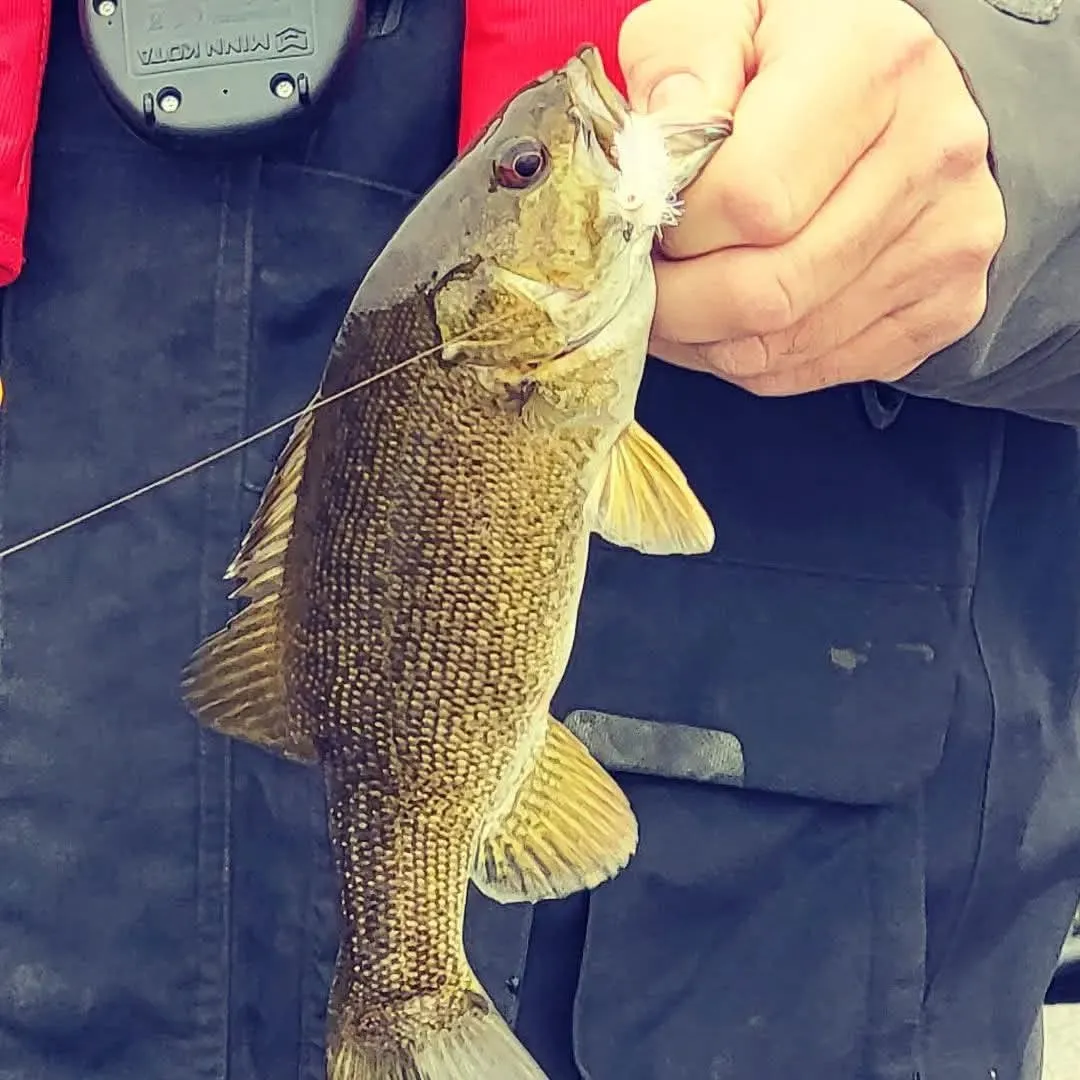
Brook trout are freshwater fish from the char family, known for their colorful markings and preference for cold, clean, well-oxygenated water. They can live in small streams, rivers, lakes, and spring-fed waters, often staying near pools, rocks, cover, and slower sections of moving water.
Their diet includes insects, aquatic organisms, small fish, and other available prey, with feeding patterns changing throughout the year. Their distinctive appearance, natural freshwater habitat, and responsiveness to different fishing presentations make brook trout an appealing target for beginners. Learning to recognize their physical features and preferred environment is a useful first step for anyone starting brook trout fishing Canada.
Where to Find Brook Trout
Finding brook trout starts with understanding the type of water they prefer. Instead of casting randomly across an entire body of water, beginners can look for areas that provide cool temperatures, oxygen, food, and some form of shelter.
Cold, Clear Streams
Small streams with cold, clean, moving water can provide suitable brook trout habitat. Pay attention to areas where the current is manageable and where depth, rocks, or natural cover give fish places to hold.
Pools and Deeper Runs
Deeper pools and slower sections between faster runs can provide shelter from strong current while giving brook trout access to passing food. These areas are useful starting points when learning to read moving water.
Under Banks and Cover
Brook trout may use submerged rocks, fallen branches, shaded banks, and overhanging vegetation for protection. Casting near these features can be more productive than focusing only on open water.
Lakes and Ponds
Brook trout also inhabit suitable lakes and ponds. Beginners can look around cooler areas, inlets, outlets, underwater structure, and places where moving water enters or leaves the lake.
Understanding these habitat features can make brook trout fishing Nova Scotia more productive and help beginners approach the water with a clear plan.
Best Time to Fish for Brook Trout
Brook trout can be targeted during different parts of the year, but their activity and preferred water can change with seasonal conditions. Understanding these shifts helps beginners choose a more suitable time to plan their fishing trip.
Spring
Spring can be an active period as water conditions gradually change after winter. Brook trout may become more responsive as seasonal food sources become available and water temperatures begin to rise.
- What to watch: Rising water levels and increasing insect activity.
- Good approach: Focus on slower sections, pools, and areas where food is entering the stream.
Summer
Summer fishing requires more attention to water temperature because brook trout prefer cool conditions. Early morning and evening can be useful periods when daytime temperatures are higher.
- What to watch: Cold-water pockets, shaded areas, and spring-fed sections.
- Good approach: Fish during cooler parts of the day and avoid stressing trout in excessively warm water.
Fall
Fall can provide excellent opportunities as water temperatures cool and brook trout become more active. Changing conditions can also make fish behavior different from what beginners experienced during summer.
- What to watch: Cooling water and increased movement.
- Good approach: Explore pools, runs, and other areas where trout can find food and suitable cover.
Winter
Winter fishing depends heavily on local conditions, regulations, and accessibility. In some areas, frozen water or seasonal restrictions can make fishing impractical or unavailable.
- What to watch: Ice conditions and current fishing regulations.
- Good approach: Confirm that the selected water is open and safe before planning a winter outing.
What Equipment Do Beginners Need?
Brook trout fishing does not require an extensive collection of specialized gear. A simple, lightweight setup can give beginners enough flexibility to learn basic casting, lure presentation, and fish handling without making the process unnecessarily complicated.
- Rod and Reel: A lightweight spinning rod and matching reel are a practical starting point for beginners fishing small streams, rivers, or ponds.
- Fishing Line: Light line can provide a more natural presentation and works well with the smaller lures and hooks commonly used for brook trout.
- Hooks: Carry a selection of small hooks suited to the bait or presentation you plan to use, while following local regulations regarding hook types.
- Lures and Bait: Small spinners, spoons, flies, and permitted natural baits can all be useful depending on the water and fishing method.
- Landing Gear: A small landing net can make handling fish easier, particularly when practicing catch and release.
- Tackle Box: Keep your setup simple with a few proven lures, hooks, line, and basic tools rather than filling your box with equipment you may not use.
Best Baits and Lures for Brook Trout
Brook trout respond to different types of presentations, so beginners can experiment with simple options while learning what works in a particular water. The best choice can depend on local regulations, available food, water conditions, and the fishing method.
Natural Bait
Permitted natural bait can be an accessible option for beginners because it does not require advanced casting or lure presentation skills. Always check the rules for the specific water before using bait.
Spinners
Small spinners are popular with beginners because they are straightforward to cast and retrieve. Their movement and flash can attract trout while allowing anglers to cover different parts of a stream or pond.
Spoons
Small spoons create movement and flash as they travel through the water. Varying the retrieval speed can help beginners learn how different presentations affect lure movement.
Artificial Flies
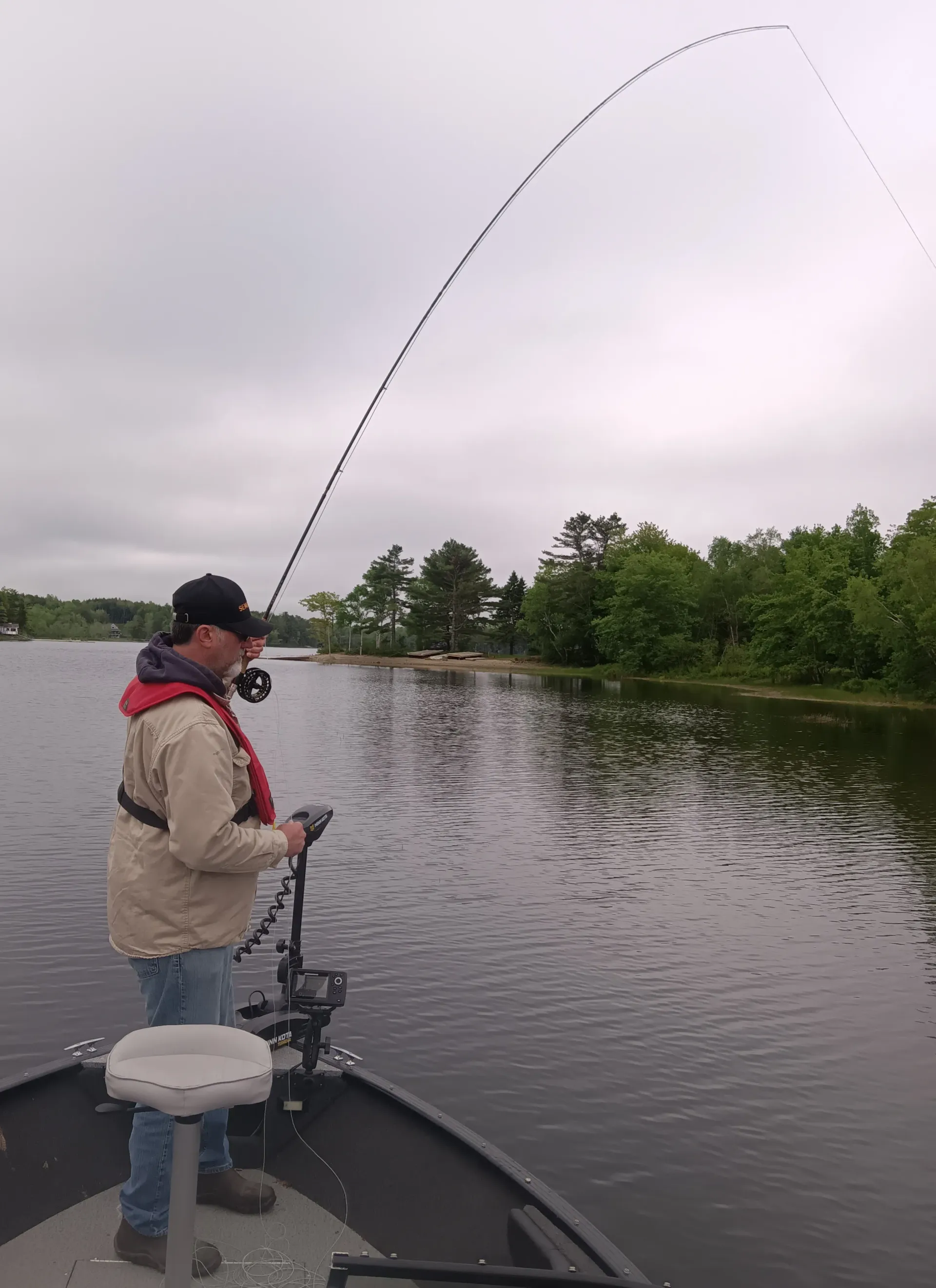
Artificial flies can imitate insects and other food sources that brook trout naturally encounter. They are particularly relevant for anglers interested in Nova Scotia fly fishing and can introduce beginners to a more specialized fishing method.
How to Catch Brook Trout: Beginner Techniques
Brook trout fishing becomes easier to understand once you learn how to present your bait or lure naturally. Beginners do not need complicated techniques at first. Focus on controlled casts, steady retrieves, and observing how the water moves before deciding where to fish.
Cast and Retrieve
Cast your lure toward likely holding areas, then retrieve it at a controlled pace. Vary the speed occasionally and pay attention to how brook trout respond to different movements.
Drift Fishing
Drift fishing allows bait or another permitted presentation to move naturally with the current. The goal is to keep the offering in the strike zone without making it appear unnatural.
Fly Fishing
Fly fishing involves presenting an artificial fly in a way that resembles natural food. Beginners can start with basic casting and simple fly patterns before learning more advanced techniques.
Reading the Water
Before making a cast, look for pools, current breaks, rocks, submerged cover, and shaded edges. These features can indicate areas where brook trout may find food, shelter, or slower-moving water.
How to Read a Brook Trout Stream
Reading the water means identifying areas that provide the conditions brook trout need rather than casting randomly. Once beginners understand these visual clues, they can spend more time making purposeful casts and less time covering unproductive water.
- Current Breaks: Where faster and slower water meet, trout can find opportunities to feed without constantly fighting strong current.
- Deep Pools: Deeper water can provide shelter and more stable conditions, particularly when surrounding sections are shallower or faster.
- Rocks and Structure: Rocks, submerged branches, and other underwater features can create protection while disrupting the current.
- Overhanging Vegetation: Bankside vegetation can provide shade, cover, and access to insects or other food entering the water.
- Inlets and Outlets: Where water enters or leaves a lake or pond, movement can bring oxygen and food into the surrounding area.
Brook Trout Fishing Tips for Beginners
A few simple habits can make the learning process easier and help beginners approach brook trout water more effectively. Good fishing is not only about the equipment or technique, but also about how you move and respond to the environment.
- Approach Quietly: Move carefully along the shoreline and avoid unnecessary noise that could disturb fish.
- Make Your First Cast Count: Start with the most promising area before disturbing the water with repeated casts.
- Cover New Water: Move to another productive-looking section when an area is not producing instead of repeatedly fishing the same spot.
- Keep Tackle Simple: Learn one or two reliable setups before adding more complicated gear.
- Watch Conditions: Pay attention to water temperature, flow, clarity, and recent weather changes.
- Handle Trout Carefully: Wet your hands before touching fish and minimize handling when releasing them.
- Know the Regulations: Check current rules for the specific water, including seasons, limits, bait restrictions, and release requirements.
Brook Trout Fishing Regulations and Conservation
Responsible fishing helps protect brook trout populations and the waters they depend on. Regulations can differ between locations, so beginners should check the current rules for their chosen stream, river, lake, or pond before fishing.
- Check Current Regulations: Review the applicable provincial and local fishing rules before your trip.
- Know the Season: Confirm that the water is open for brook trout fishing on your chosen date.
- Understand Catch Limits: Check daily possession limits and any size restrictions that apply.
- Follow Bait and Tackle Rules: Some waters may have specific restrictions on bait, hooks, lures, or fishing methods.
- Respect Closed Waters: Do not fish in protected or restricted areas, even if they appear accessible.
- Handle Fish Carefully: Minimize handling, keep fish wet, and release them promptly when practicing catch and release.
- Leave No Trace: Take fishing line, bait containers, packaging, and other waste with you when leaving the water.
Planning Your First Brook Trout Fishing Trip
Your first outing does not need to be complicated. Choosing suitable water, preparing basic equipment, checking regulations, and selecting a simple fishing method can give beginners a clear starting point.
- Step 1: Choose the Water: Select a stream, lake, or pond that is suitable for brook trout and accessible for your experience level.
- Step 2: Check Regulations: Confirm the current season, catch limits, bait restrictions, and other rules for the specific water.
- Step 3: Pick Your Setup: Prepare a lightweight rod and reel with line, hooks, and a small selection of suitable lures or permitted bait.
- Step 4: Choose Your Method: Start with one straightforward technique, such as casting and retrieving a small spinner or using a simple fly.
- Step 5: Check Conditions: Look at the weather, water temperature, flow, and accessibility before leaving home.
- Step 6: Pack the Essentials: Bring suitable clothing, food, water, basic tackle, a landing net, and any safety equipment needed for the location.
Brook Trout Fishing With River Valley Guide
River Valley Guide gives anglers an opportunity to experience brook trout fishing in Nova Scotia with local knowledge and practical guidance. For beginners, having someone familiar with the water can make it easier to understand trout habitat, choose appropriate techniques, and become comfortable with the fishing process.
A guided outing can also take some of the uncertainty out of planning a first trip. Instead of spending valuable time trying to understand unfamiliar streams or lakes alone, anglers can learn directly while fishing. From reading the water to improving basic presentations, the experience can help beginners develop skills they can continue using on future Nova Scotia fishing trips.
Conclusion
Brook trout fishing is a great way for beginners to build practical freshwater fishing skills while spending time outdoors. Start with suitable water, simple equipment, basic techniques, and a clear understanding of local regulations. Learning to read the water and recognizing where trout are likely to hold can gradually make each outing more productive. You do not need an advanced setup or years of experience to begin. Ready to learn brook trout fishing on Nova Scotia's waters? Join River Valley Guide for a guided experience and put your new skills to work on the water.
FAQs
1. Is brook trout fishing good for beginners?
Yes. Brook trout are a good species for beginners because they can be targeted with simple tackle and several straightforward fishing methods.
2. Where can beginners find brook trout?
Look for cold, clear streams, deeper pools, current breaks, shaded areas, rocky cover, and suitable lakes or ponds.
3. What is the best time of year to fish for brook trout?
Spring, summer, and fall can all offer opportunities. The best period depends on water temperature, local conditions, accessibility, and current fishing regulations.
4. What equipment do I need for brook trout fishing?
A lightweight rod and reel, suitable fishing line, small hooks, permitted bait or lures, and basic landing and tackle equipment are enough to get started.
5. What bait works best for brook trout?
Permitted natural bait can be effective, while small spinners, spoons, and artificial flies are also commonly used. Always check the rules for your chosen water.
6. Can beginners catch brook trout with lures?
Yes. Small spinners and spoons are relatively simple to cast and retrieve, making them useful options for anglers learning how to fish for brook trout.
7. Is fly fishing difficult for beginners?
Fly fishing has a learning curve, particularly with casting, but beginners can start with basic equipment and simple presentations before moving to more advanced techniques.
8. What water temperature is best for brook trout?
Brook trout prefer cold water. Exact conditions vary by location, but anglers should pay attention to unusually warm water because it can affect trout activity and handling.
9. What are the most common brook trout fishing mistakes?
Common mistakes include using oversized tackle, making too much noise, ignoring water conditions, staying in one unproductive area, and constantly changing fishing methods.
10. Do I need a fishing license to fish for brook trout in Nova Scotia?
A valid fishing license and compliance with applicable provincial regulations may be required. Always check the current Nova Scotia rules before fishing a specific water.