/filters:format(jpeg,png)/fit-in/300x300/guide_websites/133058/images/1781756004749rivervalley.jpg)
/filters:format(jpeg,png)/fit-in/237x80/guide_websites/133058/images/1781756004749rivervalley.jpg)
Conservation-Focused Fishing Practices in Nova Scotia
%2Ffit-in%2F1000x1000%2Ffilters%3Aformat(webp)%2Fguide_websites%2F133058%2Fimages%2F1781754000085canada-fly-in-fishing-alternative-backcountry7.jpg&w=1920&q=75)
Published: September 25, 2026
Fishing has shaped Nova Scotia's coastal communities for generations. It supports local economies, family traditions, tourism, and a way of life closely connected to the Atlantic. At the same time, healthy fisheries depend on healthy waters, functioning habitats, and fish populations that can reproduce and recover.
That connection has made conservation an important part of modern fishing in the province. Commercial harvesters, recreational anglers, Indigenous communities, scientists, and regulators all have a role in reducing waste and protecting marine ecosystems. From selective fishing gear to responsible catch-and-release practices, many conservation measures focus on allowing people to continue fishing while reducing pressure on marine life. For anyone planning fishing in Canada, understanding these practices offers a better view of how Nova Scotia is working to protect its fisheries for the years ahead.
The Legacy of the Cod Collapse: Why Conservation Is Mandatory
The Atlantic cod collapse remains one of the most important lessons in Canadian fisheries management. In 1992, the federal government introduced a moratorium on northern cod fishing after severe declines in the stock. The decision had major consequences for fishing communities and changed how fisheries were managed and studied.
The collapse showed that fish populations could not be treated as an unlimited resource. It led to greater attention to stock assessments, fishing pressure, monitoring, management measures, and ecosystem conditions. For communities involved in Atlantic Canada fishing, conservation became closely connected to economic stability and the future of the industry.
Today, sustainability is not simply about placing restrictions on harvesters. It also involves finding practical ways to reduce unnecessary catches, protect breeding populations, limit wildlife interactions, and improve fishing gear. The lessons from cod continue to influence how marine resources are managed across the region.
Sustainable Commercial Practices: Innovation in the Inshore Fleet
Modern conservation often starts with practical changes to how fishing gear is designed and used. In Nova Scotia's inshore fisheries, improvements in selectivity and gear technology can help reduce unwanted catches, protect marine wildlife, and limit the effects of lost equipment.
Selectivity in Lobster and Crab Traps
Trap designs can help harvesters target legal-sized animals while allowing smaller individuals to escape.
- Escape Vents: Appropriately sized openings allow undersized lobster and crab to leave the trap instead of remaining inside.
- Size Protection: Minimum size requirements help prevent immature animals from being harvested before they have had sufficient opportunity to reproduce.
- Biodegradable Escape Panels: Biodegradable sections can help reduce the period during which a lost trap continues catching marine life, a problem known as ghost fishing.
These measures can reduce unnecessary mortality while allowing harvesters to continue targeting their intended catch.
Hook-and-Line and Longline Adjustments
Hook design can also influence the number and type of non-target animals caught during fishing.
- Circle Hooks: In appropriate fisheries, circle hooks can reduce deep hooking and may improve survival for some released non-target species.
- Bycatch Reduction: Choosing suitable hooks and handling practices can help reduce accidental catches of species that are not part of the target fishery.
- Responsible Release: Quickly and carefully returning unwanted catches to the water can further reduce stress and injury.
No single hook type eliminates bycatch, but gear selection is one part of a broader approach to reducing unintended catches.
The Transition to Whale-Safe Gear
Fishing gear must also be designed with marine mammal protection in mind. The North Atlantic right whale is particularly vulnerable to entanglement in fishing gear, making gear modifications an important conservation focus.
- Low-Breaking-Strength Rope: In suitable applications, weaker rope can reduce the severity of some entanglement incidents.
- Ropeless or On-Demand Systems: These systems can reduce the amount of fixed vertical rope in the water column.
- Pop-Up Buoys: On-demand systems can keep buoy lines stored underwater until the gear needs to be retrieved.
The goal is to reduce entanglement risks while maintaining workable fishing operations.
Bycatch Reduction Devices
Trawling operations can use sorting grids and other selective devices to separate target species from smaller or non-target animals.
- Smaller fish can pass through appropriately designed openings.
- Target species remain available for harvest.
- Unwanted catches can be reduced before they are brought aboard.
- Better selectivity can reduce waste and improve the efficiency of fishing operations.
Together, these gear improvements show how conservation can be built into everyday fishing practices rather than treated as a separate activity.
Community-Based Management and Local Leadership
Conservation is not managed only through broad regulations. Local fishing organizations, Indigenous communities, harvesters, scientists, and regulators can all contribute knowledge that helps shape responsible practices in coastal waters.
The Power of Inshore Co-operatives
Local fishing associations and cooperatives can help address conservation concerns specific to their fishing areas.
- Local Measures: Groups may support seasonal closures, catch limits, or size restrictions that reflect local conditions.
- Shared Responsibility: Harvesters can contribute observations about fish stocks, habitat conditions, and changes in their fishing areas.
- Local Knowledge: People who work on the water regularly can provide useful information alongside scientific monitoring.
- Long-Term Planning: Community involvement can help balance current fishing activity with the need to maintain productive fisheries.
Two-Eyed Seeing and Indigenous Knowledge
Two-Eyed Seeing (Etuaptmumk) is an approach that brings Indigenous and Western ways of understanding the environment together.
- Mi'kmaw Knowledge: Indigenous ecological knowledge provides a long-standing understanding of relationships between people, water, wildlife, and natural resources.
- Netukulimk: This Mi'kmaw concept emphasizes responsible use and stewardship of natural resources.
- Shared Understanding: Combining different knowledge systems can support broader approaches to marine conservation and resource management.
Recreational Fishing and Responsible Angling Protocols
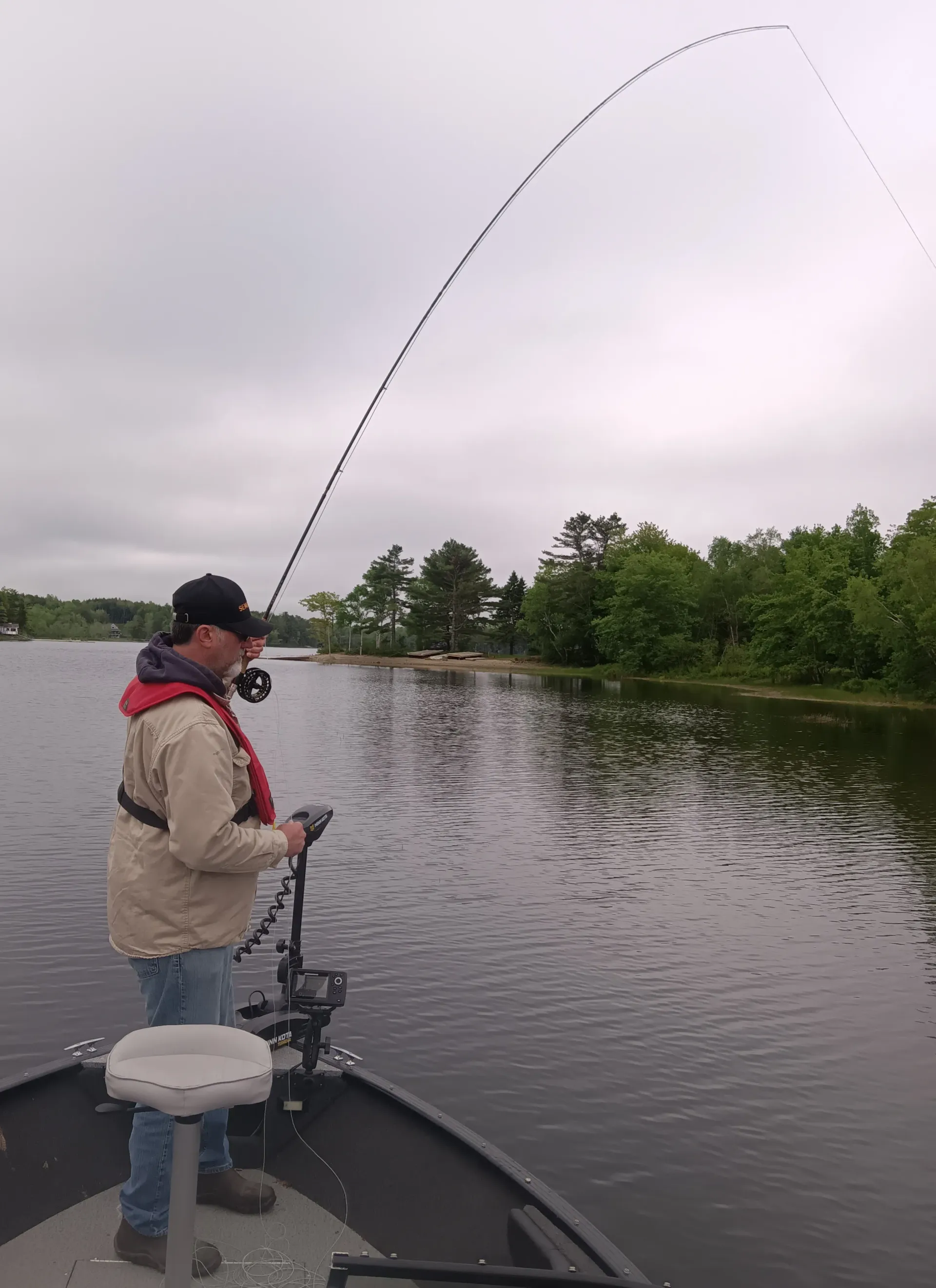
Conservation also depends on the choices made by recreational anglers. Simple handling practices, respect for seasonal restrictions, and care for fish habitat can reduce unnecessary stress on fish populations.
Catch-and-Release Best Practices
When releasing fish, the goal is to limit handling and return the fish to the water as quickly as practical.
- Use barbless hooks where appropriate.
- Keep the fish wet while handling it.
- Minimize the time the fish spends out of the water.
- Use suitable landing equipment to reduce handling.
- Release fish carefully and avoid unnecessary contact with sensitive areas.
Protecting Salmon and Trout Habitats
Cold-water species such as salmon and trout can be particularly sensitive to environmental conditions.
- Follow seasonal river closures and other local fishing restrictions.
- Avoid disturbing known spawning areas.
- Check water temperatures when fishing during warmer periods.
- Stop fishing when conditions create excessive stress for vulnerable fish.
- Keep gear and activities away from sensitive habitat where required.
Anglers interested in brook trout fishing Nova Scotia should check the current rules for the specific waterway before fishing.
Invasive Species Reporting
Invasive fish can affect native species and alter aquatic ecosystems.
- Report suspected invasive species through the appropriate provincial channels.
- Follow local instructions regarding the handling or removal of invasive fish.
- Never move live fish or aquatic organisms between waterways.
- Clean, drain, and dry boats, tackle, and other equipment before moving between fishing locations.
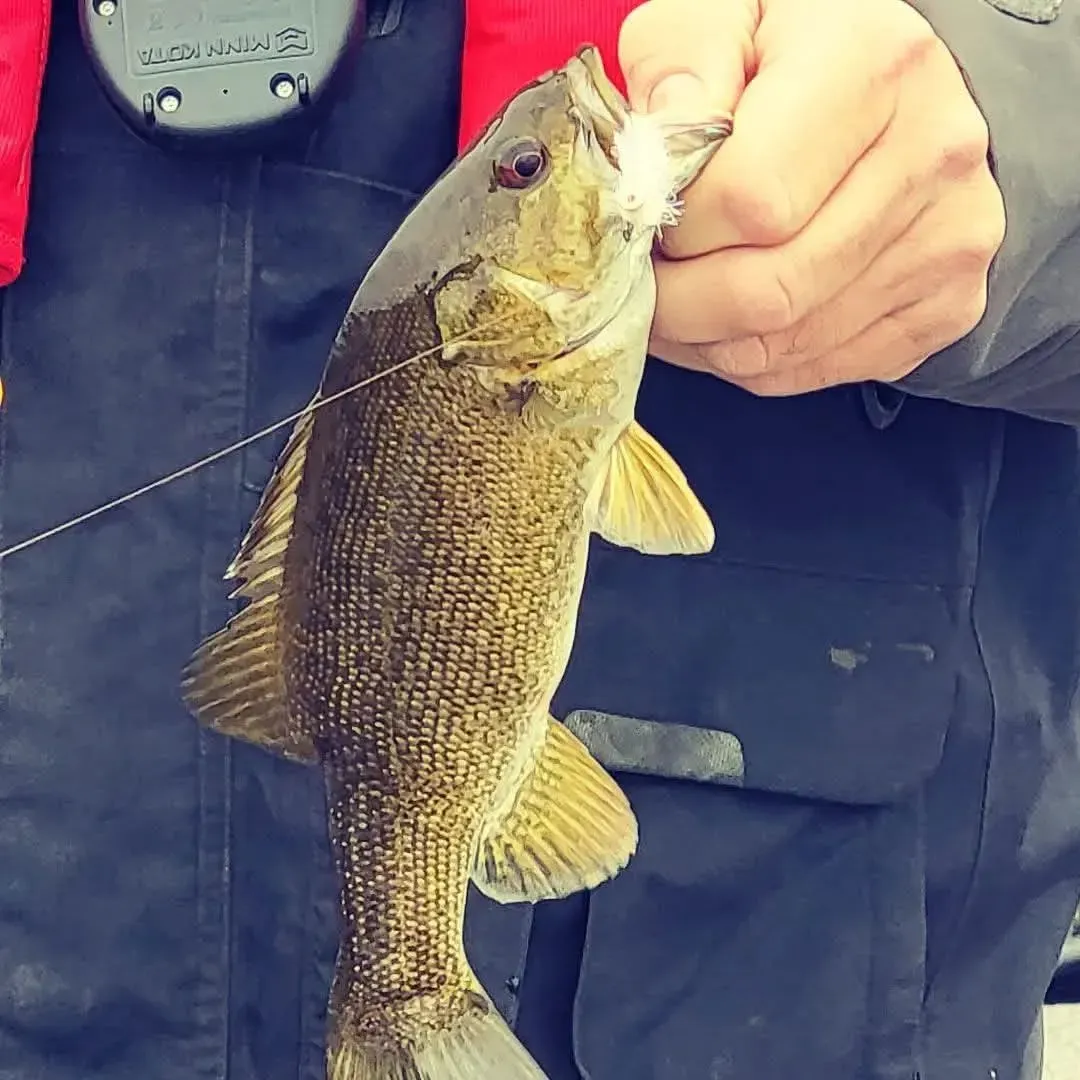
Species such as Chain Pickerel and Smallmouth Bass may be subject to specific local management measures, so anglers should follow current provincial guidance.
How Front Line Divers Supports Marine Conservation
Marine conservation also extends below the surface. Divers can help identify and remove debris that affects marine habitats, wildlife, and waterways. Front Line Divers supports conservation-related work through specialized diving capabilities. Underwater teams can assist with cleanup projects, document or map submerged areas, and remove lost or abandoned fishing equipment that may continue to pose risks to marine life. This type of work can be particularly useful in areas where debris cannot be safely or effectively removed from the surface.
Removing ghost gear is one important part of underwater cleanup. Abandoned lines, traps, and other fishing equipment can remain in the water and continue affecting wildlife after they are no longer being actively used. Professional diving teams can help locate and remove this material while working within appropriate safety procedures.
Conclusion
Nova Scotia's fishing heritage and marine conservation efforts can work together. Responsible commercial gear, community-led management, careful recreational angling, and underwater conservation work can help reduce pressure on marine ecosystems while supporting coastal communities.
The future of fishing in Canada depends on healthy fish populations and productive waters. Commercial harvesters, recreational anglers, Indigenous communities, scientists, regulators, and divers all have a role in protecting these resources. By following responsible practices and respecting local regulations, people can continue enjoying Nova Scotia's waters while helping protect the habitats that support them. Planning your next fishing experience? Explore responsible fishing trips with a local guide who understands Nova Scotia's waters and conservation practices.
FAQs
1. What is ghost gear and why is it dangerous to Nova Scotia's marine life?
Ghost gear is fishing equipment that has been lost or abandoned in the water. Traps, ropes, and lines can continue to catch or entangle marine animals and create underwater hazards.
2. How do lobster fishers protect breeding females in Atlantic Canada?
Lobster fisheries use measures such as size restrictions and rules concerning egg-bearing females. These measures help protect reproductive animals and support future lobster populations.
3. What role do Marine Protected Areas (MPAs) play in Nova Scotian conservation?
MPAs can restrict or manage certain activities in designated areas to protect important habitats, species, and ecosystems.
4. How does water temperature affect recreational fishing regulations in Nova Scotia?
Warm water can increase stress on cold-water fish such as salmon and trout. Seasonal restrictions or other measures may apply when temperatures create conservation concerns.
5. What are some conservation-focused fishing practices in Nova Scotia?
Practices include using selective fishing gear, following size and seasonal limits, reducing bycatch, protecting marine wildlife, and handling released fish carefully.
6. How can recreational anglers help protect Nova Scotia's fish populations?
Anglers can follow current regulations, practice responsible catch and release, respect closed areas, protect spawning habitat, and report invasive species when required.
7. Why is whale-safe fishing gear important in Nova Scotia?
Whale-safe gear is intended to reduce the risk of fishing-gear entanglement for marine mammals, including the North Atlantic right whale.
8. How does fishing gear affect marine conservation?
Gear design can influence bycatch, ghost fishing, habitat impacts, and wildlife interactions. More selective gear can help reduce unnecessary catches and other environmental effects.
9. What is Two-Eyed Seeing in marine conservation?
Two-Eyed Seeing, or Etuaptmumk, is an approach that brings Indigenous knowledge and Western scientific perspectives together to support a broader understanding of the environment.
10. How can divers support marine conservation in Nova Scotia?
Divers can help with underwater cleanups, habitat documentation, and the removal of lost fishing gear and other debris that may threaten marine life.