/filters:format(jpeg,png)/fit-in/300x300/guide_websites/133058/images/1781756004749rivervalley.jpg)
/filters:format(jpeg,png)/fit-in/237x80/guide_websites/133058/images/1781756004749rivervalley.jpg)
Fishing Near Halifax Airport: Nova Scotia’s Hidden Fishing Adventure
%2Ffit-in%2F1000x1000%2Ffilters%3Aformat(webp)%2Fguide_websites%2F133058%2Fimages%2F1781754000085canada-fly-in-fishing-alternative-backcountry7.jpg&w=1920&q=75)
Published: September 25, 2026
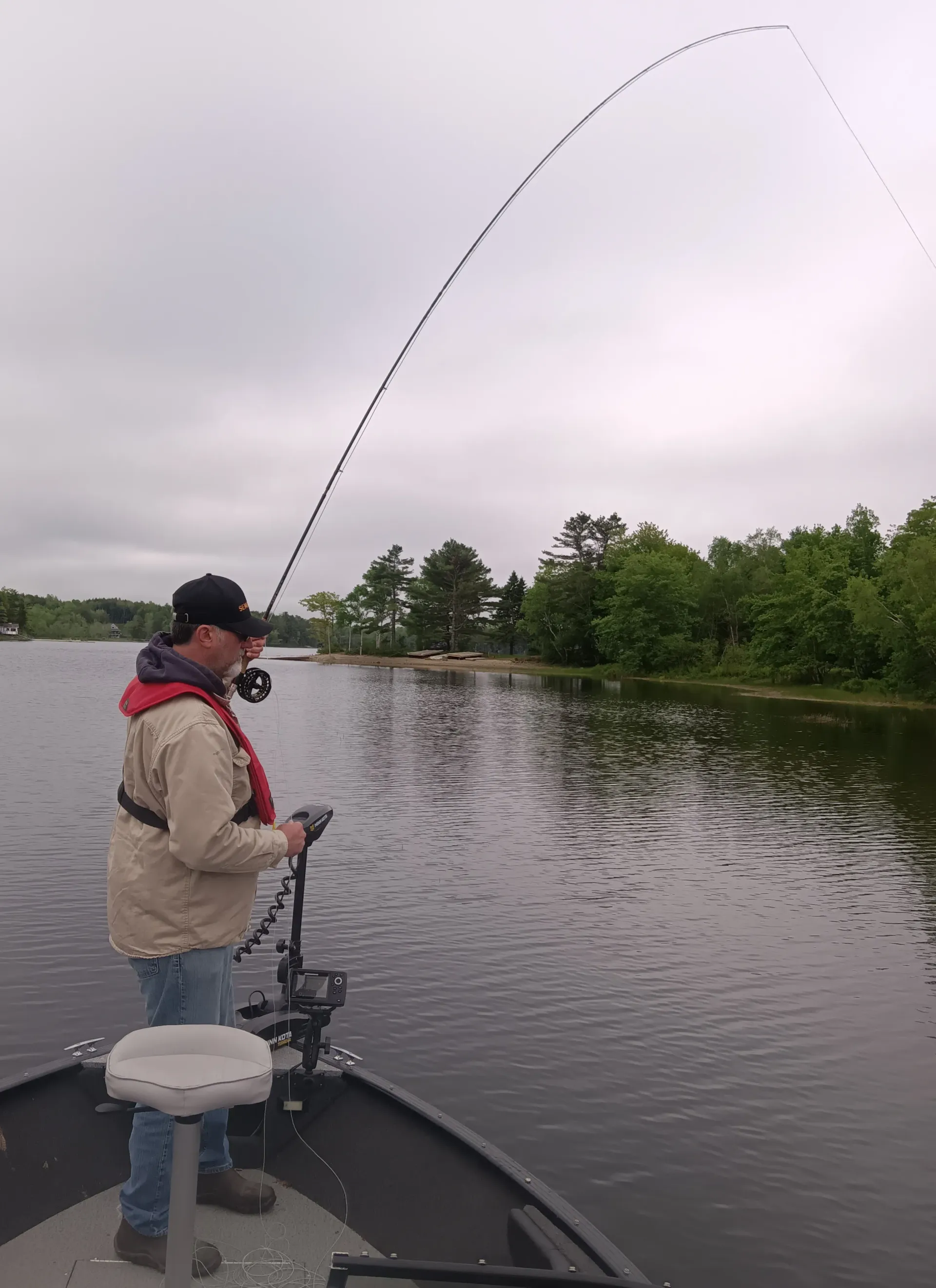
A fishing trip in Nova Scotia does not always require a long drive into the backcountry. For travelers arriving at Halifax Stanfield International Airport, several freshwater opportunities are within the wider airport area, making it possible to add fishing to a short visit without spending the entire day on the road.
The area around the airport offers a mix of lakes, rivers, and accessible shorelines where anglers can target species such as Smallmouth Bass, Striped Bass, Brook Trout, Chain Pickerel, and Perch. That makes the region worth considering for visitors with a rental car, travelers extending a Halifax stay, or anyone looking for a quick outdoor break. With the right location, license, equipment, and timing, your next Nova Scotia fishing trip can begin much closer to the airport than you might expect.
Why the Halifax Airport Area Is Worth Exploring for Anglers
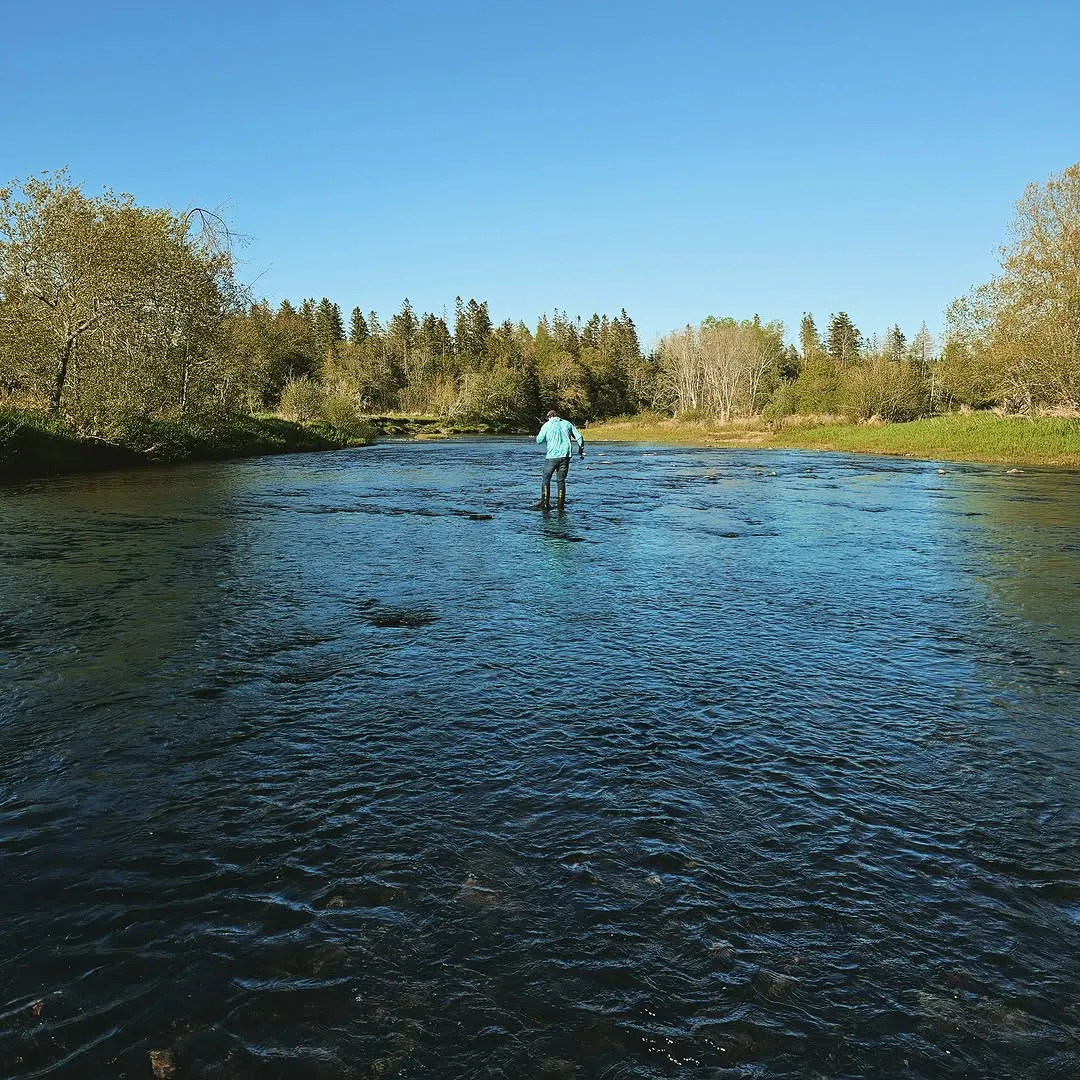
The Halifax airport region offers more than convenience. Its mix of connected waterways, varied habitats, accessible shorelines, and different fish species gives anglers several ways to plan a productive outing based on time, season, and fishing style.
- Connected Waterways: The Shubenacadie watershed links lakes and rivers across the region, creating varied aquatic habitats and supporting both freshwater and migratory fish species.
- Species Variety: Anglers can target species ranging from Brook Trout and Perch to Smallmouth Bass, Chain Pickerel, and Striped Bass, depending on the water and season.
- Easy Access: Several fishing areas can be reached without committing to a full-day backcountry trip, making them practical for visitors with limited time.
- Flexible Fishing Options: Shore fishing, boat access, light tackle, fly fishing, and guided outings give anglers different ways to approach the area's waters.
- Useful for Travelers: The combination of accessible waters and nearby roads makes the region suitable for visitors adding fishing to a Halifax itinerary, including those booking Nova Scotia fishing trips.
Best Places to Fish Near Halifax Airport
The following locations offer different fishing experiences, from accessible park shorelines to trout-focused lakes. Consider your available time, target species, and preferred fishing method before choosing.
1. Shubenacadie Grand Lake
This large freshwater lake offers a diverse mix of species and several access points, making it a strong choice for anglers who want variety without traveling deep into rural Nova Scotia.
- Target Species: Smallmouth Bass, Striped Bass, Chain Pickerel, Perch, Brook Trout, and landlocked salmon.
- Access: Shoreline areas and boat access are available around the lake.
- Best For: Bass fishing, general freshwater angling, and longer outings.
- Fishing Approach: Spin fishing and boat-based fishing can provide access to different areas of the lake.
- Regulations: Check current bass-management rules and seasonal restrictions before fishing.
2. Oakfield Provincial Park
Located along Shubenacadie Grand Lake, this park provides convenient facilities for anglers who want fishing access combined with parking, trails, and other outdoor amenities.
- Target Species: Smallmouth Bass, Striped Bass, Chain Pickerel, and Perch.
- Access: Fishing platform, shoreline areas, walking trails, parking, and public boat launch.
- Best For: Shore fishing and family-friendly outings.
- Fishing Approach: Cast from accessible shoreline areas or launch a suitable boat.
- Traveler Advantage: The established facilities make it easier to plan a short fishing stop.
3. Dollar Lake
Dollar Lake provides a quieter alternative for anglers focused on trout. Its surrounding provincial park setting also makes it suitable for visitors who want fishing combined with a broader outdoor experience.
- Target Species: Brook Trout and Perch.
- Access: Shoreline fishing and boat access are available.
- Best For: Brook Trout fishing and relaxed freshwater outings.
- Stocking: Brook Trout are stocked in the lake each spring.
- Traveler Advantage: A useful option for anglers who want a change from bass-focused waters.
4. Other Halifax-Area Waters
Anglers with additional time can consider other lakes and waterways throughout the Halifax region, with the best choice depending on species, seasonal conditions, access, and available fishing time.
- Best Approach: Research current local regulations and access conditions before choosing a lesser-known location.
- For Visitors: A local guide can help match the outing to your target species and available time.
- Guided Option: Halifax fishing charters may be worth considering when you want local knowledge and equipment support.
Target Species: What You Can Catch Near Halifax Airport
The Halifax Airport area offers several species across its lakes and connected waterways. Comparing their habitat, timing, tackle, and fishing approach can help you choose your target.
Brook Trout
Brook Trout prefer cooler water and are a good option when seasonal conditions keep temperatures favorable. They are especially suitable for anglers using lighter tackle.
- Best Season: Spring and late autumn
- Where to Find Them: Cool lake areas, streams, and suitable tributary sections
- Recommended Gear: Light spinning tackle or fly-fishing gear
- Best Method: Small spoons, spinners, flies, or other light presentations
- Fishing Tip: Focus on cooler water and avoid unnecessarily stressing fish during warmer conditions
Rainbow Trout
Rainbow Trout can be another option for anglers interested in trout fishing, with activity influenced by water temperature, stocking, and local conditions.
- Best Season: Spring and cooler periods
- Where to Find Them: Cooler lake areas and stocked waters
- Recommended Gear: Light spinning tackle or fly-fishing gear
- Best Method: Small artificial lures, flies, or other light presentations
- Fishing Tip: Check current stocking information and local regulations before planning your trip
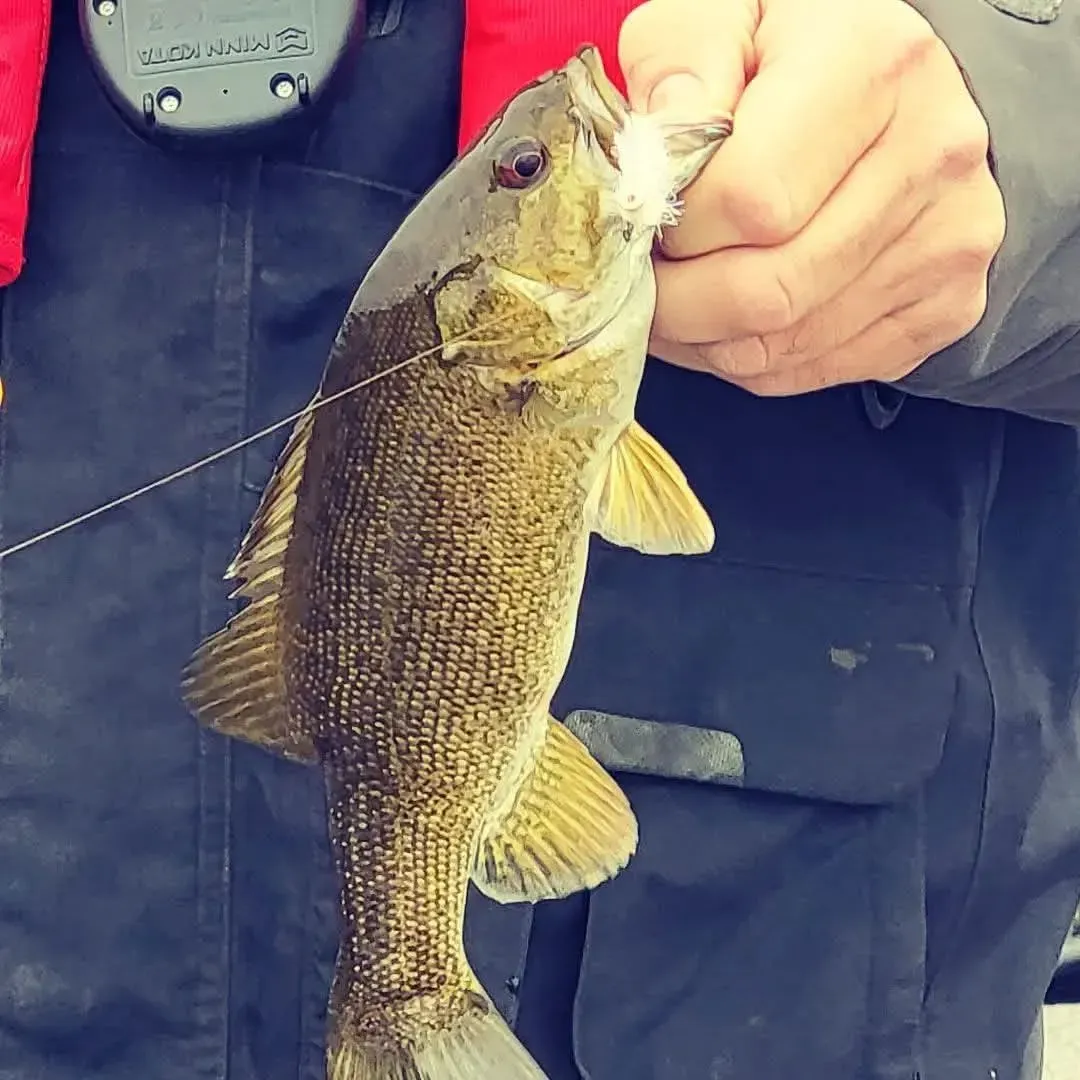
Smallmouth Bass
Smallmouth Bass are active warm-water predators that provide exciting summer fishing around rocky structure, points, and areas where baitfish gather.
- Best Season: Late spring through summer
- Where to Find Them: Rocky points, submerged structure, shorelines, and shallow feeding areas
- Recommended Gear: Medium-light spinning tackle or suitable fly gear
- Best Method: Soft plastics, crankbaits, jigs, or flies
- Fishing Tip: Search shallow areas during active feeding periods and move deeper as conditions change
Chain Pickerel
Chain Pickerel are aggressive predators that often stay near vegetation and cover. Their willingness to strike makes them a practical target for active lure fishing.
- Best Season: Most of the open fishing season
- Where to Find Them: Weed beds, shallow vegetation, and submerged cover
- Recommended Gear: Spinning tackle with suitable leader material
- Best Method: Spoons, spinners, plugs, and other predatory-fish lures
- Fishing Tip: Use appropriate leader material to reduce the chance of bite-offs from their sharp teeth
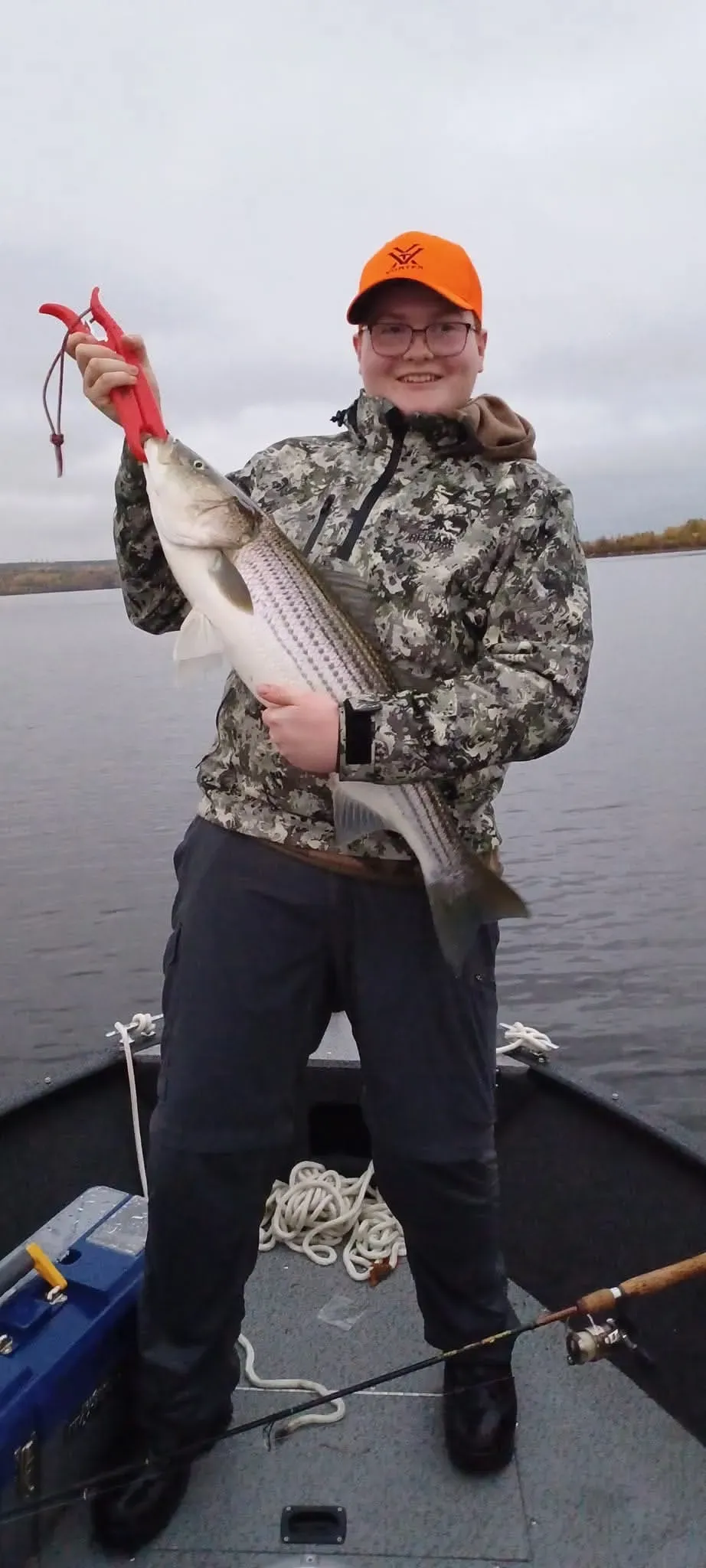
Striped Bass
Striped Bass offer a stronger fight and can be found in areas influenced by tides and current, making timing and location especially important.
- Best Season: Seasonal, depending on location and fish movement
- Where to Find Them: Tidal rivers, current areas, deeper channels, and feeding zones
- Recommended Gear: Medium to heavy spinning tackle or suitable fly gear
- Best Method: Larger lures, streamers, or other presentations matched to local bait
- Fishing Tip: Pay attention to tide movement, current, and bait activity when choosing where to cast
Planning Your Fishing Trip: Licenses, Gear, and Regulations
A successful fishing trip starts before you reach the water. A few practical checks can help you avoid regulatory problems and make sure your equipment matches the species and location.
- Step 1: Confirm Your Licence: Check Nova Scotia's current fishing licence requirements and obtain the appropriate licence before fishing. Requirements can differ based on residency, species, and fishing location.
- Step 2: Check Local Regulations: Review current seasons, size limits, possession limits, bait rules, and any special regulations that apply to your chosen lake or river.
- Step 3: Match Your Gear: Choose tackle according to your target species. Light gear works well for trout, while bass, pickerel, and Striped Bass may require progressively heavier setups.
- Step 4: Pack for Travel: Multi-piece travel rods are easier to transport in a vehicle or luggage. Pack hooks, lures, knives, and other sharp equipment according to current airline and airport security requirements.
- Step 5: Prepare for the Location: Confirm whether your chosen spot has shoreline access, a public launch, parking, or requires a short walk to reach the water.
- Step 6: Plan for Conservation: Follow local catch limits and handle released fish carefully. Keep fish wet and minimize handling time when practicing catch-and-release.
Support Healthy Nova Scotia Waters With Front Line Divers
Healthy fisheries depend on clean and well-maintained waterways. Front Line Divers supports underwater environmental work that helps address hazards beneath the surface, including lost fishing equipment, submerged debris, and conditions that may affect aquatic habitats. Their specialized diving capabilities allow underwater areas to be inspected and managed where surface-based methods cannot provide the same access.
Removing abandoned lines, hooks, nets, and other ghost gear can reduce risks to fish and other aquatic wildlife while also helping keep waterways safer for recreational users. Underwater inspection and environmental monitoring can provide useful information about submerged conditions and potential hazards. For anglers planning Nova Scotia fishing trips, supporting healthy waterways is an important part of protecting the fisheries they enjoy today and helping preserve them for future seasons.
Conclusion
Fishing near Halifax Airport offers a practical way to experience Nova Scotia's freshwater and tidal fisheries without committing to a long backcountry journey. From Brook Trout and Smallmouth Bass to Chain Pickerel and Striped Bass, the area provides different options for anglers with limited time or a full day to explore.
Before heading out, check current fishing regulations, secure the right license, prepare suitable tackle, and choose a location that matches your target species and available time. Responsible fishing also helps protect these waters for future anglers. If you want local knowledge and a more organized experience, consider planning your next Nova Scotia fishing charter with Front Line Divers.
FAQs
1. Can you fish near Halifax Airport?
Yes. Several lakes and waterways in the broader Halifax Airport region offer fishing opportunities, depending on current access and fishing regulations.
2. What fish can you catch near Halifax Airport?
Depending on the location and season, anglers may encounter Brook Trout, Rainbow Trout, Smallmouth Bass, Chain Pickerel, Striped Bass, and Perch.
3. Do I need a fishing licence in Nova Scotia?
Most anglers need the appropriate Nova Scotia fishing licence. Requirements can vary by residency, species, and location, so check current provincial regulations before fishing.
4. Can I fish at Oakfield Provincial Park?
Yes. Oakfield Provincial Park provides access to Shubenacadie Grand Lake, including shoreline areas, a fishing platform, and boat-launch facilities.
5. Is Shubenacadie Grand Lake good for bass fishing?
Shubenacadie Grand Lake supports Smallmouth Bass and is subject to specific bass-management regulations. Always check the current rules before fishing.
6. Where can I go for Brook Trout near Halifax Airport?
Brook Trout can be found in suitable waters around the region, including Dollar Lake. Local conditions, stocking, and regulations should be checked before planning a targeted trip.
7. Can I fish from shore near Halifax Airport?
Yes. Some nearby waters provide shoreline access, although accessibility varies by location. Check parking, trails, private-property restrictions, and current site conditions before visiting.
8. Can I bring fishing rods on a flight to Halifax?
Travel rods are generally easier to transport, but airline and airport rules apply. Hooks, knives, and other sharp fishing equipment should be packed according to current security requirements.
9. What is the best time to fish near Halifax Airport?
The best time depends on the species. Trout generally favor cooler periods, while Smallmouth Bass are more active during warmer months. Striped Bass activity is also seasonal and location-dependent.
10. Can I book a guided fishing trip near Halifax?
Yes. Visitors can look into local Halifax fishing charters and guides for help choosing fishing locations, techniques, equipment, and target species.