/filters:format(jpeg,png)/fit-in/300x300/guide_websites/133058/images/1781756004749rivervalley.jpg)
/filters:format(jpeg,png)/fit-in/237x80/guide_websites/133058/images/1781756004749rivervalley.jpg)
Ice Fishing in Nova Scotia
%2Ffit-in%2F1000x1000%2Ffilters%3Aformat(webp)%2Fguide_websites%2F133058%2Fimages%2F1781754000085canada-fly-in-fishing-alternative-backcountry7.jpg&w=1920&q=75)
Published: September 25, 2026
Ice fishing gives anglers a completely different way to experience Nova Scotia's freshwater during the colder months. Instead of casting from a shoreline or boat, you fish through openings made in the ice while surrounded by a winter landscape.
The experience requires more preparation than warm-weather fishing. Anglers need to consider ice conditions, weather, clothing, equipment, access, and local regulations before heading out. Once those details are handled, a winter fishing day can be a memorable way to spend time outdoors. For anyone planning ice fishing Nova Scotia, understanding the season and preparing properly can make the experience safer, more comfortable, and more enjoyable.
What Is Ice Fishing?
Ice fishing is a freshwater fishing method where anglers catch fish through openings made in frozen lakes or ponds. Instead of casting from a shoreline or boat, you lower bait or lures through the ice using specialized equipment. Shorter rods are commonly used because there is less space to cast, while an ice auger creates the fishing hole. Anglers may also use portable shelters, ice scoops, and other winter gear to stay comfortable. The approach requires more attention to weather and ice conditions than regular fishing. Understanding the equipment, fishing setup, and environment can help beginners prepare for their first outing.
When Is Ice Fishing Possible in Nova Scotia?
There is no single calendar date that marks the beginning or end of ice fishing season across Nova Scotia. Freezing conditions can develop at different times depending on the location, temperatures, weather patterns, and characteristics of individual lakes.
Early Winter
Early winter is the transition period when lakes begin freezing and anglers start watching for suitable conditions. Newly formed ice requires particular caution because thickness may be inconsistent.
- Check Before You Go: Recent freezing temperatures do not automatically mean a lake has safe ice.
- Avoid Assumptions: Ice can be thinner near moving water, springs, inlets, outlets, and other areas with water movement.
Midwinter
By the middle of winter, some lakes may have more established ice, depending on local conditions. This is often when winter fishing becomes more practical on suitable waters.
- Conditions Still Vary: Snow cover, warming periods, rainfall, and changing temperatures can affect the ice after it forms.
- Local Information Helps: Recent reports from experienced local anglers, guides, or authorities can provide useful context for current conditions.
Late Winter
As temperatures begin to rise, ice conditions can change quickly. A lake that appeared suitable earlier in the season may become less reliable as winter starts giving way to spring.
- Watch for Deterioration: Softening surfaces, cracks, water on top of the ice, and changing temperatures can signal worsening conditions.
- Do Not Extend the Season: Calendar dates should never be used as a substitute for checking actual ice conditions.
Where to Go Ice Fishing in Nova Scotia
Nova Scotia offers a range of freshwater environments where ice fishing may be possible during suitable winter conditions. The right choice depends on the specific waterbody, access, regulations, and current ice safety.
Inland Lakes
Larger inland lakes can offer varied depths, underwater structures, and different fishing environments. Before choosing one, research the species present, permitted fishing methods, access points, and recent conditions.
Smaller Lakes and Ponds
Smaller lakes and ponds can provide a more contained setting for winter fishing, but their size does not automatically mean the ice is safer. Conditions should still be checked carefully across the area.
Accessible Fishing Locations
Easy access can make a significant difference when carrying an auger, tackle, shelter, seating, and safety equipment. Look at parking, shoreline access, walking distance, terrain, and winter road conditions before choosing a location.
Fish You Can Target Through the Ice
The fish available during an ice-fishing trip depend on the individual waterbody, season, and local regulations. Researching your chosen location beforehand helps you understand what species may be present and prepare appropriate tackle.
- Brook Trout: Brook trout are found in suitable cold-water environments across Nova Scotia and can be an appealing target for anglers interested in brook trout fishing Nova Scotia. Check local rules before targeting them.
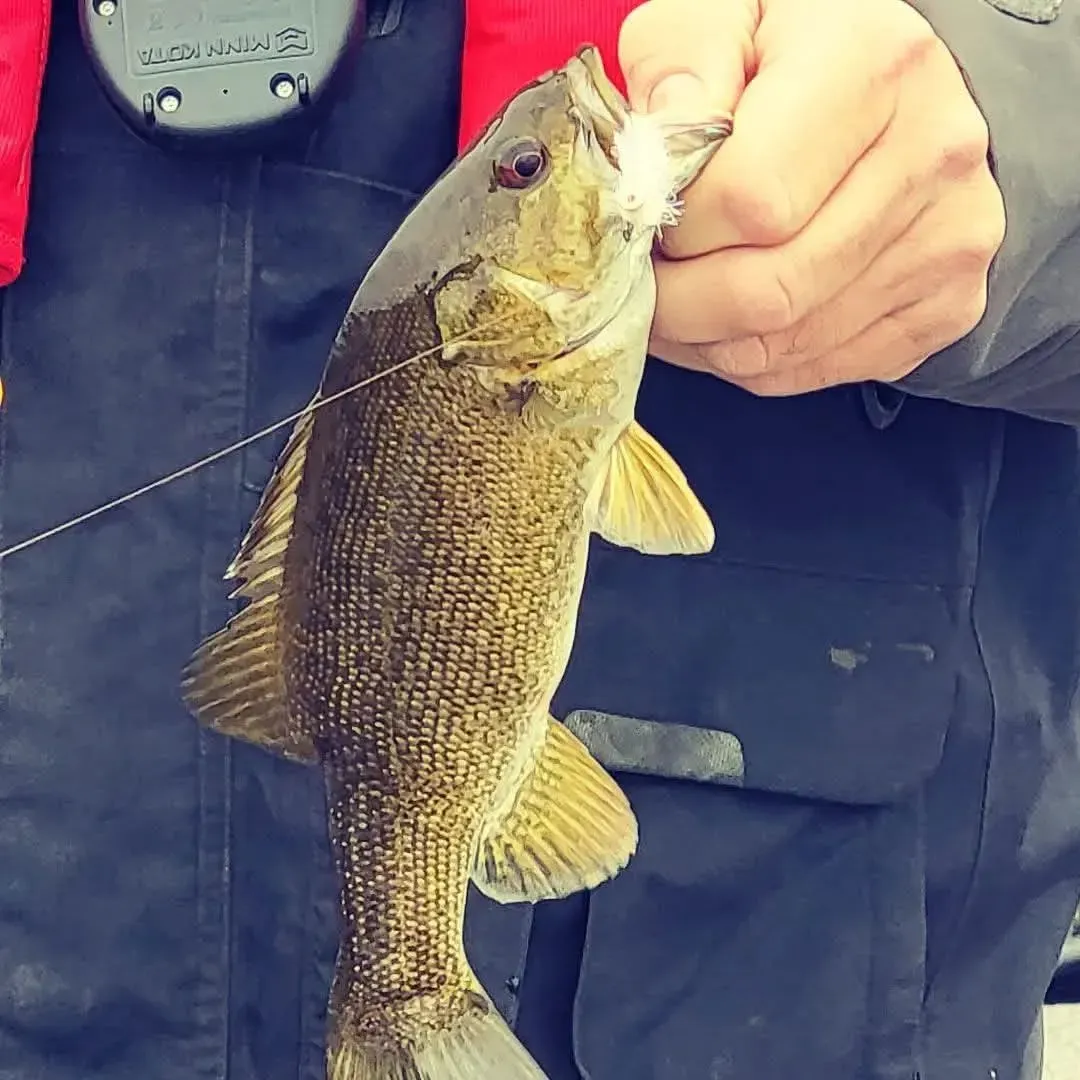
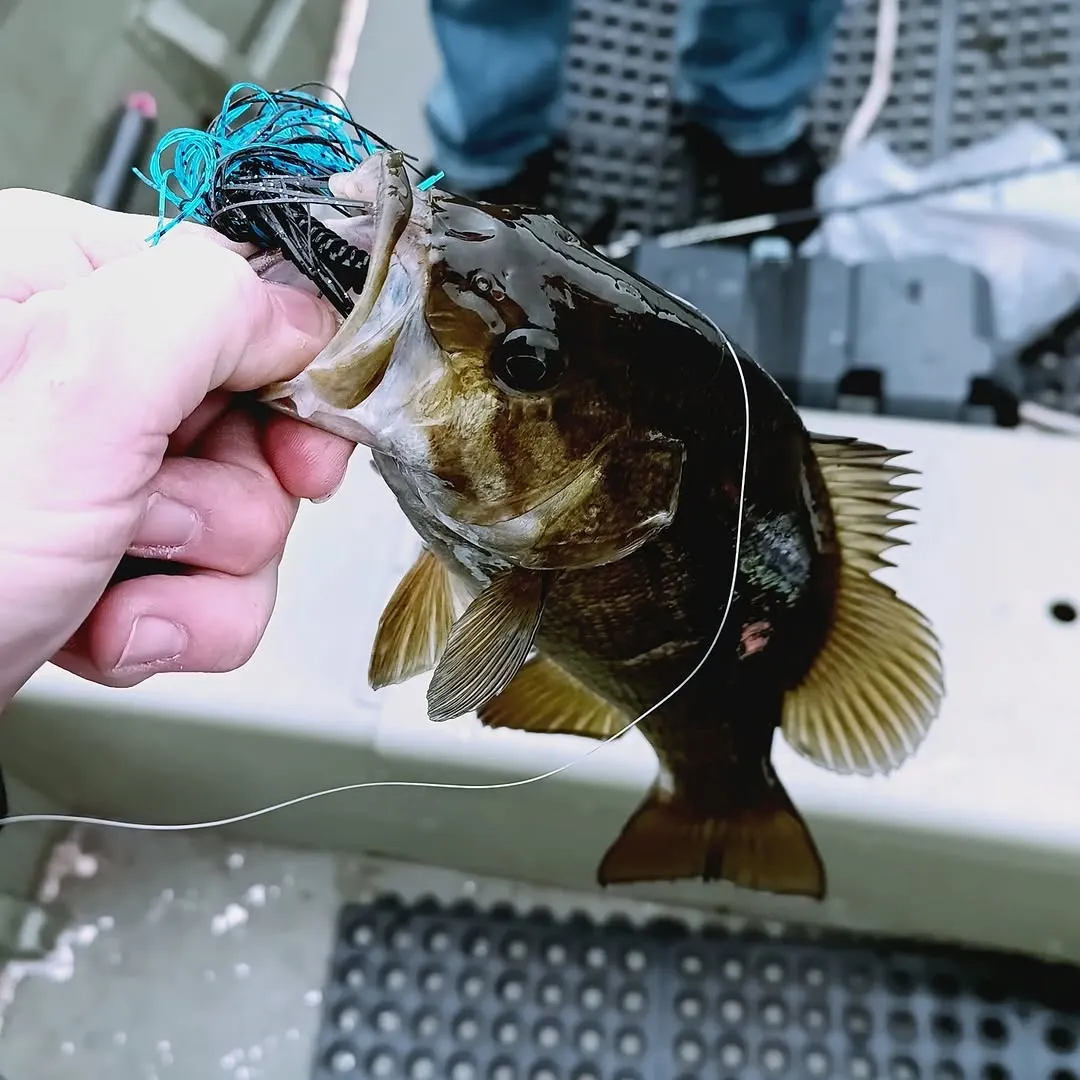
- Smallmouth Bass: Smallmouth bass inhabit various freshwater environments, although their behavior changes as water temperatures drop. Local knowledge can help anglers understand where they may be encountered during winter.
- Other Freshwater Species: The species available through the ice vary between lakes and ponds. Check current regulations and local waterbody information for permitted species, seasons, catch limits, and fishing methods.
Essential Ice Fishing Gear
Winter fishing requires equipment that handles both the fishing itself and the conditions surrounding you. Preparing your gear before leaving can make the outing more organized and comfortable.
- Ice Auger: Creates openings through the frozen surface for fishing.
- Ice Rod and Reel: A shorter setup makes handling tackle easier around a fishing hole.
- Ice Scoop: Helps remove slush and loose ice from the opening.
- Winter Clothing: Insulated layers, waterproof outerwear, gloves, and warm headwear help manage cold conditions.
- Waterproof Boots: Insulated boots can help keep feet warm when standing or walking on snow and ice.
- Ice Cleats: Can provide additional traction when walking across slippery surfaces.
- Seating or Shelter: A portable chair or shelter can make longer outings more comfortable.
- Safety Equipment: Carry appropriate ice-safety and emergency equipment rather than relying only on fishing gear.
How to Stay Safe on the Ice
Ice safety should be the first priority on any winter fishing trip. Conditions can change across the same lake and throughout the day, so preparation, current information, and cautious decisions are essential.
- Check Ice Conditions: Do not assume ice is safe based on the season or recent freezing temperatures. Thickness can vary because of currents, springs, inlets, outlets, and snow cover.
- Avoid Unfamiliar Ice: Stay away from visible cracks, open water, flowing water, and areas where the surface appears unstable. Never rely on appearance alone when assessing ice.
- Fish With a Buddy: Avoid heading onto unfamiliar ice alone. Let someone know where you are going and when you expect to return before starting your trip.
- Carry Emergency Equipment: Bring appropriate ice-safety equipment, communication devices, and emergency supplies suited to the location and conditions.
- Watch the Weather: Check current forecasts and pay attention to warming temperatures, rain, wind, and other changes that could affect ice conditions.
- Know When to Leave: If conditions become uncertain or unsafe, leave the ice rather than trying to complete the fishing trip. No catch is worth taking unnecessary risks.
How to Prepare for an Ice Fishing Trip
A successful winter fishing outing starts before you reach the lake. Researching the location, checking conditions, organizing equipment, and planning for emergencies can make the experience safer and easier to manage.
- Step 1: Research the Waterbody: Learn about the lake or pond, fish species, access points, regulations, and any available local information before making the trip.
- Step 2: Check the Forecast: Review current weather conditions, temperatures, wind, snowfall, and any forecast changes that could affect your plans.
- Step 3: Prepare Your Gear: Check your auger, rod, tackle, clothing, footwear, shelter, and safety equipment beforehand so you are not troubleshooting basic equipment on the ice.
- Step 4: Tell Someone Your Plans: Share your destination, planned route, fishing area, and expected return time with someone who is staying off the ice.
- Step 5: Assess Conditions Before Proceeding: Do not treat an entire lake as having uniform ice. Conditions can differ significantly between areas, so current local information and careful assessment are essential.
- Step 6: Know When to Leave: Changing weather, deteriorating ice, equipment problems, or uncomfortable conditions are valid reasons to end the outing early.
Ice Fishing With Family and Friends
Ice fishing can also become a shared winter experience, giving families and friends a chance to spend time outdoors together while learning a different style of fishing.
- Sharing the Setup: A group can divide practical tasks such as organizing tackle, preparing a shelter, and managing equipment.
- Teaching Beginners: Experienced anglers can introduce newcomers to basic techniques while keeping the experience approachable and enjoyable.
- Making Time for Conversation: Periods between bites give people an opportunity to talk, enjoy warm food or drinks, and appreciate the winter surroundings.
- Keeping Children Safe: Children should remain closely supervised around ice and fishing holes, with appropriate clothing, safety equipment, and clear instructions throughout the outing.
- Planning Around Comfort: Shorter outings, suitable shelter, warm clothing, and regular breaks can make winter fishing more comfortable for people who are less accustomed to cold conditions.
Why Try Ice Fishing in Nova Scotia?
Ice fishing offers a different way to experience Nova Scotia's freshwater during winter. The slower pace, changing scenery, and specialized techniques make it distinct from fishing during the warmer months.
- Try a Different Fishing Style: Learn how to work with ice-specific tackle, fishing holes, and winter conditions.
- Enjoy Winter Scenery: Snow-covered shorelines, frozen lakes, and quiet surroundings create a setting that looks completely different from summer.
- Learn New Techniques: Ice fishing requires anglers to adjust bait presentation, location, and approach based on winter fish behavior.
- Spend Time Outdoors: A properly planned trip provides an opportunity to stay active and enjoy the outdoors during the colder season.
- Add Variety to a Nova Scotia Trip: Winter fishing can complement other seasonal activities for visitors planning Canada fishing vacations.
Experience a Nova Scotia Fishing Adventure With River Valley Guide
Planning a winter fishing outing can involve more than choosing a lake and bringing a rod. River Valley Guide can help guests experience Nova Scotia's waters while providing local knowledge and practical guidance throughout the trip.
A guided experience can be particularly useful for anglers who are unfamiliar with the area or want assistance understanding local fishing conditions. From learning about the water to getting more comfortable with fishing techniques, having experienced guidance can make the outing easier to navigate. For those interested in guided fishing Canada, River Valley Guide offers an opportunity to spend time outdoors, learn from local experience, and make the most of a Nova Scotia fishing adventure.
Conclusion
Ice fishing brings a different rhythm to fishing in Nova Scotia. Frozen lakes, winter scenery, specialized equipment, and cold-weather conditions create an experience that requires thoughtful preparation but can be rewarding for anglers who enjoy trying something new. Choosing suitable water, checking current ice conditions, preparing the right gear, and following local regulations can help make the outing more enjoyable. If you want to experience Nova Scotia's winter waters with local guidance, connect with River Valley Guide and start planning your next fishing adventure.
FAQs
1. When can you go ice fishing in Nova Scotia?
Ice fishing depends on local freezing conditions rather than fixed calendar dates. Always check current ice conditions before heading onto a frozen lake or pond.
2. What fish can you catch while ice fishing in Nova Scotia?
Depending on the waterbody and regulations, anglers may target species such as brook trout, smallmouth bass, and other freshwater fish.
3. Is ice fishing safe in Nova Scotia?
It can be enjoyed safely when conditions are suitable and proper precautions are followed. Ice thickness can vary, so current conditions should always be checked.
4. What equipment do I need for ice fishing?
Basic equipment can include an ice auger, short fishing rod, tackle, ice scoop, warm clothing, insulated boots, and appropriate safety equipment.
5. Can beginners try ice fishing?
Yes. Beginners can learn the basic equipment, techniques, and preparation with help from an experienced angler or guide.
6. Can families go ice fishing together?
Families can enjoy ice fishing when conditions are suitable. Children should remain closely supervised and have appropriate winter clothing and safety equipment.
7. What should I check before going ice fishing?
Check current ice conditions, weather forecasts, fishing regulations, access information, target species, and the equipment required for the planned location.
8. Can I go ice fishing alone?
Fishing unfamiliar ice alone is not recommended. Going with another person and sharing your destination and expected return time adds an important safety precaution.
9. Do I need to follow fishing regulations while ice fishing?
Yes. Ice fishing is still subject to applicable fishing regulations, including rules concerning seasons, species, catch limits, and permitted fishing methods.
10. Can a guide help with an ice fishing trip in Nova Scotia?
A local guide can provide useful information about fishing areas, techniques, equipment, access, and local conditions, particularly for visitors unfamiliar with Nova Scotia waters.