/filters:format(jpeg,png)/fit-in/300x300/guide_websites/133058/images/1781756004749rivervalley.jpg)
/filters:format(jpeg,png)/fit-in/237x80/guide_websites/133058/images/1781756004749rivervalley.jpg)
Mental Health Benefits of Fishing
%2Ffit-in%2F1000x1000%2Ffilters%3Aformat(webp)%2Fguide_websites%2F133058%2Fimages%2F1781754000085canada-fly-in-fishing-alternative-backcountry7.jpg&w=1920&q=75)
Published: September 25, 2026
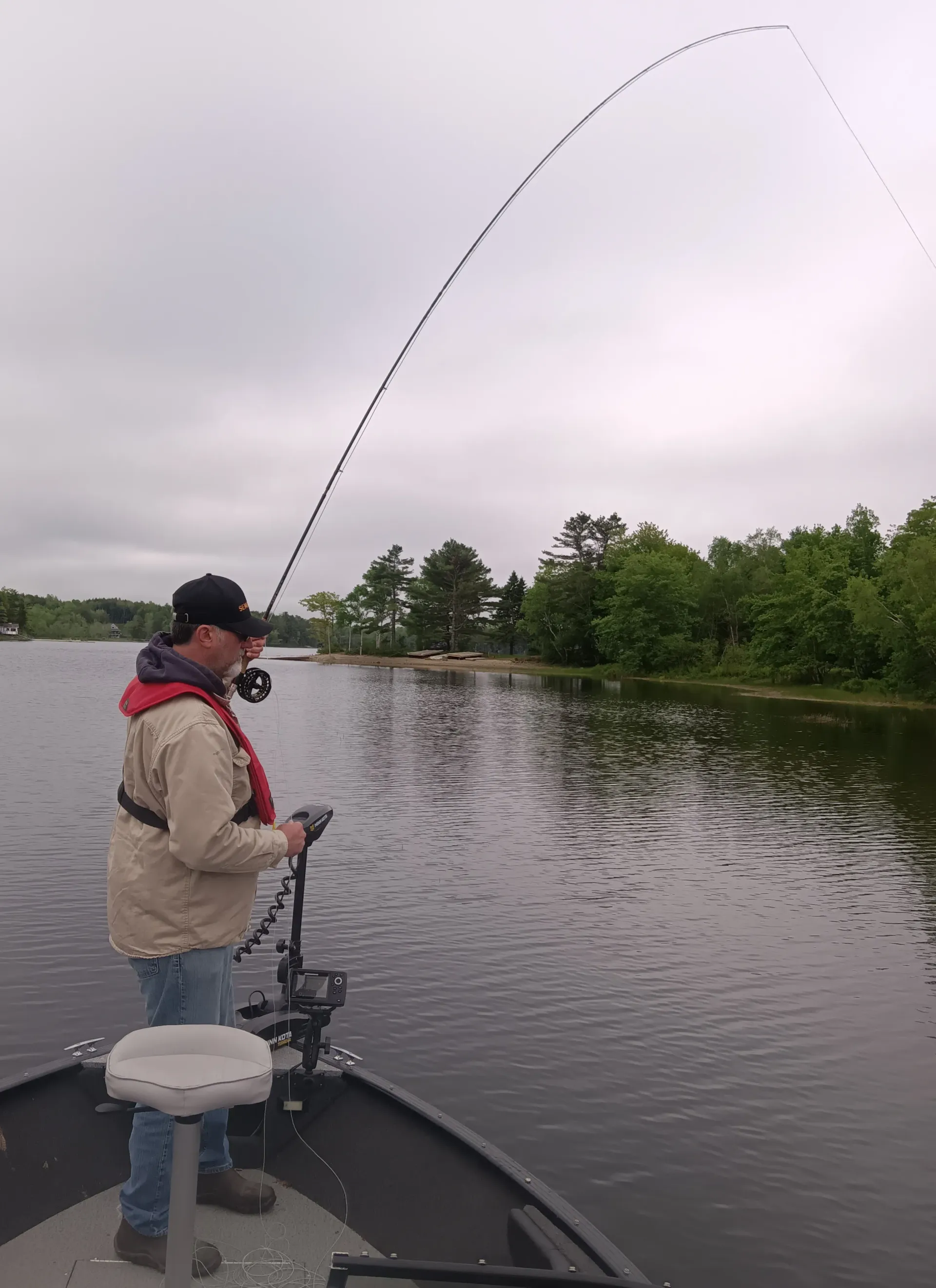
Fishing can be more than a way to spend a day outdoors or bring home a catch. Time beside a lake, river, or coastline creates a chance to step away from busy schedules, screens, and everyday responsibilities. The slower pace of casting, watching the water, and waiting for a bite can give your attention somewhere simple to rest.
For many people, a fishing trip also brings quiet reflection, time with others, gentle physical activity, and a stronger connection with nature. You do not need to catch a trophy fish for the experience to feel worthwhile. The setting and pace can be just as important. For those planning Nova Scotia fishing trips, the province's waterways offer a natural setting for slowing down and enjoying time away from the usual routine.
The Science of Serenity: Why Water Can Feel Calming
Water has long been associated with feelings of calm and relaxation. Marine biologist Wallace J. Nichols popularized the term "Blue Mind" to describe the peaceful, reflective state people may experience when they are near, in, or on water.
But why can water have this effect?
- Steady Sensory Input: The sound and movement of waves, currents, and ripples provide gentle stimulation that can feel less demanding than busy environments.
- A Natural Focus Point: Watching the water gives the mind something simple to observe, which can shift attention away from constant distractions.
- Connection With Nature: Being outdoors around water combines fresh air, natural light, wildlife, and changing scenery in one environment.
- A Slower Pace: Fishing naturally involves periods of waiting, observation, and patience rather than constant activity.
- Stress Response: Research into natural environments suggests that relaxing outdoor settings may influence stress-related responses, including cortisol, a hormone involved in the body's response to stress.
Core Mental Health Benefits of Fishing
Fishing can support well-being in several simple ways. The experience can encourage you to slow down, focus on the present, spend time outdoors, and handle small challenges as they arise.
1. Stress Reduction
Fishing creates a slower rhythm than many everyday activities. Casting, retrieving, waiting, and watching the water can give your attention a break from work, notifications, and other daily demands. The experience does not have to revolve around catching a certain number of fish. Simply having time away from your usual routine can make the outing feel more relaxing.
2. Mindfulness and Presence
Fishing naturally keeps your attention on what is happening right now.
You may focus on:
- The movement of your line
- The feel of the rod
- Changes in the water
- Weather and surroundings
- Signs of fish activity
This hands-on focus can help shift attention away from constantly thinking about the past or worrying about what comes next.
3. Dopamine and Reward
Part of fishing's appeal comes from anticipation. You never know exactly when a fish may strike, which keeps the experience engaging. The brain's reward system responds to anticipation and the possibility of a rewarding outcome. A successful catch can add another rewarding moment to the experience. The excitement is not only about the fish. It also comes from the buildup, the challenge, and the satisfaction of seeing your effort pay off.
4. Patience and Resilience
Fishing does not always go according to plan.
You may deal with:
- Long periods without a bite
- Lost fish
- Snags
- Changing weather
- Shifting fish activity
These situations give anglers opportunities to practice patience and adapt their approach. Learning to stay with the process, try something different, or accept an unsuccessful moment can make fishing a useful way to practice patience and resilience in a low-pressure setting.
Social Connection vs. Solitude
Fishing can offer two very different experiences, and both can be valuable. Some anglers enjoy the quiet of going alone, while others prefer sharing the day with people they care about. The flexibility allows you to choose the type of experience that fits your mood and needs.
The Power of Solo Fishing
Fishing alone can create uninterrupted time away from conversations, screens, and daily responsibilities. With fewer distractions, you can enjoy the surroundings, think through things at your own pace, or simply appreciate the quiet without feeling the need to stay occupied.
Bonding and Community
Fishing with family, friends, or a local group creates opportunities to talk, laugh, learn, and share an experience without the usual distractions of daily life. A shared fishing trip can also bring people together through a common interest, making family fishing trips Canada a meaningful way to spend time outdoors.
Guided Fishing Experiences
A guided trip adds another social element by putting you alongside someone with local knowledge and fishing experience. The guide can handle much of the practical side of the outing while guests focus on learning, talking, and enjoying their time on the water.
Fishing as Eco-Therapy and Physical Wellness
Fishing brings together natural surroundings and light physical activity, making the experience more than simply sitting and waiting for a bite. Fresh air, daylight, walking, casting, and reeling can all contribute to a more active outdoor day while complementing the quieter mental side of fishing.
- Natural Light: Daylight exposure supports the body's vitamin D production and helps maintain a healthy sleep-wake cycle.
- Gentle Movement: Walking to a fishing spot, carrying tackle, casting, and reeling provide light physical activity throughout the outing.
- Outdoor Environment: Spending time around water and natural landscapes offers a change from indoor settings and everyday surroundings.
- Active Engagement: Reading water, changing locations, handling equipment, and adjusting your technique keep the body and mind involved.
How Nova Scotia's Waters Add to the Experience
Nova Scotia offers varied fishing environments, giving anglers different ways to spend time outdoors. Coastal waters, rivers, lakes, and seasonal landscapes each bring their own scenery, conditions, and character to a fishing trip.
Coastal Waters
Nova Scotia's coastline provides expansive views and changing marine conditions that make each outing feel different. Anglers can enjoy open horizons, tidal movement, and the distinct atmosphere that comes with fishing along the Atlantic.
- Tidal Movement: Changing tides influence water movement and can affect where fish are active.
- Marine Wildlife: Coastal trips may provide opportunities to observe seabirds and other wildlife while on the water.
Rivers and Streams
Rivers and streams offer a more enclosed outdoor setting, with moving water, wooded surroundings, and changing terrain. These environments can provide a quieter experience while giving anglers plenty to observe throughout the day.
- Flow Changes: Water levels and current speed can vary after rainfall or seasonal changes.
- Natural Access: Shoreline paths and riverbanks can provide different ways to explore a fishing area.
Lakes and Ponds
Lakes and ponds can offer calmer waters and a different pace from coastal or moving-water fishing. Their surrounding forests, shorelines, and open water create peaceful settings for spending extended periods outdoors.
- Calmer Conditions: Sheltered water can be easier to navigate for anglers who prefer less exposure to changing currents.
- Scenic Surroundings: Forests, rocky shorelines, and open views can add to the overall outdoor experience.
Seasonal Changes
Nova Scotia's fishing landscape changes throughout the year. Spring brings fresh growth, summer offers longer daylight, fall adds changing foliage, and winter creates a very different outdoor environment for suitable fishing activities.
- Changing Conditions: Water temperature, fish activity, daylight hours, and weather can vary significantly by season.
- Trip Planning: Anglers should check seasonal regulations, weather forecasts, access conditions, and available fishing opportunities before heading out.
Practical Tips to Maximize the Mental Health Benefits
A few simple changes can help you get more from the experience without turning your fishing trip into another task-filled activity. The goal is to stay engaged with your surroundings, enjoy the process, and give yourself room to slow down.
- Put the Phone Away: Leave your smartphone in the car when practical or switch off nonessential notifications so you are not constantly checking messages.
- Focus on the Experience: Avoid judging the day only by the size or number of fish caught. Enjoy the scenery, quiet moments, and time spent outdoors.
- Practice Gratitude: Take a moment to appreciate the water, weather, wildlife, company, or simply having time away from your usual routine.
- Let the Day Unfold: Fishing does not always follow a predictable schedule. Give yourself permission to adjust your plans instead of treating every slow period as a disappointment.
- Choose Comfortable Company: Fish with people who help you feel relaxed, or choose a solo outing when you prefer uninterrupted quiet.
When Fishing Is Not a Substitute for Professional Support
Fishing can be a relaxing recreational activity and a positive part of a balanced lifestyle, but it should not be presented as a treatment for mental health conditions.
If someone is experiencing persistent stress, anxiety, depression, trauma, or other serious concerns, spending time outdoors alone may not be enough. Speaking with a qualified mental health professional can provide appropriate guidance and support.
Fishing can still have a place alongside professional care and other healthy habits. For many people, it simply offers an enjoyable reason to get outside, stay active, connect with others, or spend some quiet time away from everyday demands.
Experience the Calming Side of Fishing With River Valley Guide
River Valley Guide makes it easier to enjoy time on the water while experiencing the natural beauty of Nova Scotia. A guided outing can take some of the planning pressure away, allowing you to focus on fishing, learning, and enjoying the surroundings.
With local knowledge and practical guidance, guests can explore suitable fishing environments without having to figure out every detail on their own. From quiet stretches of water to scenic outdoor settings, a guided trip can turn an ordinary day outside into a memorable experience.
For visitors interested in Nova Scotia fishing guides, River Valley Guide offers a chance to spend less time worrying about logistics and more time enjoying the water.
Conclusion
Fishing gives you a reason to step away from routine, spend time outdoors, and focus on something simple and engaging. The calming presence of water, gentle physical activity, quiet reflection, and time with others can make a fishing trip feel rewarding even when the catch is not the main goal. If you are ready to experience Nova Scotia from a different perspective, plan your next day on the water with River Valley Guide and make time for an outdoor experience that goes beyond fishing.
FAQs
1. Can fishing help reduce everyday stress?
Fishing can provide a break from work, screens, and daily responsibilities. The slower pace of casting, watching the water, and waiting can create a more relaxed outdoor experience.
2. What is Blue Mind?
Blue Mind is a concept popularized by marine biologist Wallace J. Nichols that describes the calm, reflective state people may experience when they are near, in, or on water.
3. Does fishing encourage mindfulness?
Yes. Fishing naturally requires attention to the water, rod, line, weather, and surrounding conditions. This can encourage you to focus on what is happening in the present moment.
4. Can fishing be a good way to disconnect from technology?
It can. Leaving your phone behind when practical or turning off nonessential notifications can reduce interruptions and give you more time to focus on the fishing experience.
5. Is solo fishing good for mental well-being?
Solo fishing can provide quiet time away from conversations, screens, and daily responsibilities. It can give anglers space to enjoy nature, reflect, or simply appreciate periods of silence.
6. Can fishing bring families and friends closer?
Fishing creates opportunities for shared experiences, conversations, and learning. Spending time together on the water can make family fishing trips a memorable outdoor activity.
7. Does fishing provide physical benefits too?
Fishing can involve walking, casting, reeling, carrying equipment, and moving around a boat or shoreline. These activities provide light physical movement while you spend time outdoors.
8. How can I make a fishing trip more relaxing?
Keep your plans simple, avoid focusing only on the catch, limit unnecessary phone use, choose comfortable company, and take time to appreciate the surroundings.
9. Is fishing a good activity to include in a Nova Scotia vacation?
Yes. Fishing can add an outdoor experience to a Nova Scotia trip while giving visitors an opportunity to explore coastal waters, rivers, lakes, and natural surroundings.
10. Can fishing replace professional mental health support?
No. Fishing can be a positive recreational activity, but it should not replace professional mental health care. Anyone experiencing ongoing or serious mental health concerns should seek appropriate professional support.